



The dollar is off to a quiet start to kick off the week as the greenback inched higher owing to U.S. inflation figures. Investors, however, are also cautious of the Fed’s plan to exit from its super-supportive policy stance even as COVID-19 cases spike.
The risk-sensitive dollar tracked slightly higher in Asia after netting its best week in three on Friday as it benefitted from safety flows and the policy outlook that lifted U.S. Treasury yields.
While the dollar made small gains on the Australian and New Zealand dollars, the euro fell back under $1.18 to $1.1792.
Many things continue to favor the dollar even as highly vaccinated countries like Singapore and the UK log surges in COVID-19 cases. Re-opening, however, still faces some challenges from cautious consumers and “bottlenecks that restrict the ability for the economy to rebound with some gusto,” said Rodrigo Catril, senior currency strategist at National Australia Bank in Sydney.
Join the ANC Trading Community & Become a Pro Trader
The Australian Dollar was down 0.2% at $0.7337 and has struggled to hold over $0.74. The kiwi was 0.4% weaker at 0.71 as a lockdown of Auckland witnessed an extension. At the same time, the dollar index rose 0.1% to 92.739.
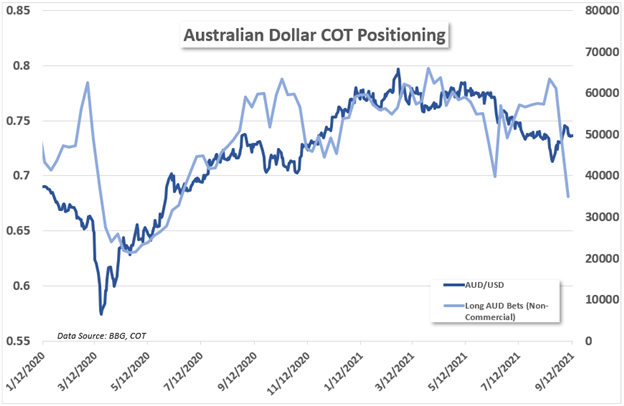
FX traders now have their eyes on the U.S. consumer price data that is set to pop up on Tuesday. They’re also focusing on U.S. retail sales and production figures that will come up later in the week. For one thing, these figures frame the economy’s progress in the lead-up to the Federal Reserve’s September 21-22 meeting.
On inflation
Core consumer price inflation is also expected to slow a tad to 4.2%. However, bond traders seem to think a slowdown won’t be enough to delay tapering that much.
Last week, 10-year Treasuries sold for a third straight week, the longest streak since yields lurched higher in February and Mark this year at 1.3326%.
With the current state of things, we see inflation hitting 4% this year and then falling back to 2% in 2022 and 2023.
In China, the yuan fell slightly to 6.4550 per dollar following news of Beijing’s new regulatory measures targeting tech companies, including breaking up Ant’s Alipay and new protections for ride-hailing and delivery firm workers.
In Europe, the sterling slipped 0.1% to $1.3816 as cryptocurrencies came under intense pressure. Bitcoin, for instance, fell 3% to $44,637 and has since struggled to find traction above its 20-day and 200-day moving averages. This fall comes after the popular digital coin recently tumbled 11% in a selloff.
Join the ANC Trading Community & Become a Pro Trader