





Artificial Intelligence (AI) is becoming the backbone of modern forex trading. In 2025, AI-driven trading systems are transforming how traders analyze markets, make decisions, and manage risk. The big institutional brokers to everyday retail traders, everyone is feeling the impact of this technological shift. This isn’t just about automation. It’s about smarter, faster, and more adaptive trading strategies that can process massive amounts of data in seconds, something no human could ever do alone.
What AI Means for Forex Trading
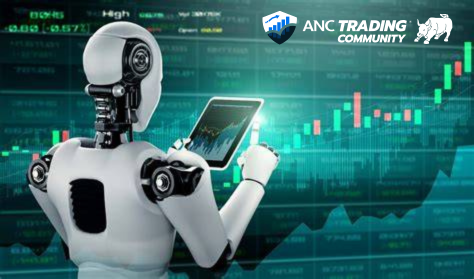
In simple terms, AI in forex trading refers to using computer programs that can learn from data, identify patterns, and make trading decisions automatically. These systems rely on machine learning algorithms, which improve over time as they process more market information. Instead of relying only on charts, indicators, or gut feelings, traders now use AI tools that analyze price movements, news sentiment, economic data, and even social media trends to predict market direction. This technology helps traders spot opportunities faster, reduce emotional bias, and execute trades with precision.
How Algorithms Are Changing Market Strategies
AI algorithms are redefining how trading strategies are built and executed.
Data-Driven Decisions: AI systems can analyze years of historical data and live market feeds to identify profitable patterns. This allows traders to make decisions based on facts, not emotions.
Predictive Analytics: Machine learning models can forecast potential price movements by studying correlations between currencies, interest rates, and global events.
Automated Execution: Once a trading opportunity is detected, AI-powered bots can execute trades instantly faster than any human could react. This speed gives traders a competitive edge in volatile markets.
Risk Management: AI tools can monitor open positions, adjust stop-loss levels, and rebalance portfolios automatically to minimize losses and protect profits.
Adaptive Learning: Unlike traditional trading systems, AI algorithms learn and evolve. They adapt to changing market conditions, making them more resilient during unpredictable times.

JOIN OUR TELEGRAM COMMUNITY
Why AI Trading Is Trending in 2025
The rise of AI in forex trading is being driven by several key factors.
Increased Market Volatility: With global economic uncertainty, traders are turning to AI for faster and more accurate decision-making
Access to Big Data: The availability of real-time market data allows AI systems to analyze trends more effectively
Advancements in Cloud Computing: Faster processing power means AI models can run complex calculations in seconds
Retail Trader Adoption: Platforms are now offering AI-based trading tools to everyday traders, not just institutions. This combination of technology and accessibility is making AI trading one of the biggest trends in the financial world right now.
The Human + AI Partnership
While AI is powerful, it doesn’t replace human traders, it enhances them. The best results come from combining human intuition with machine precision. Traders still play a crucial role in setting strategies, interpreting results, and managing risk. AI simply helps them make smarter, faster, and more consistent decisions. This partnership is creating a new generation of “hybrid traders” — professionals who use AI tools to amplify their performance while maintaining human oversight.
Challenges and Risks of AI in Forex
Like any technology, AI trading isn’t perfect. Some of the main challenges include:
Overfitting: Algorithms can sometimes rely too heavily on past data, making them less effective in new market conditions
System Errors: Technical glitches or poor coding can lead to unexpected losses
Market Manipulation Risks: As more traders use similar AI models, markets can become more synchronized — increasing volatility.
Lack of Transparency: Some AI systems operate as “black boxes,” meaning traders don’t always understand how decisions are made.
Despite these risks, the benefits of AI trading continue to outweigh the drawbacks especially as technology becomes more advanced and regulated.

The Future of AI in Forex Trading: Looking ahead, AI will continue to shape the future of forex trading in several ways:
Smarter Trading Bots: Expect more advanced bots that can analyze multiple markets and asset classes simultaneously.
Voice-Activated Trading: AI assistants may soon allow traders to execute trades using voice commands.
Personalized Trading Insights: AI will tailor strategies based on individual risk tolerance and trading style.
Integration with Blockchain: Combining AI with blockchain could improve transparency and security in automated trading.
The future is clear; AI isn’t just a tool; it’s becoming a core part of how global markets operate.
In Conclusion
The rise of AI in forex trading marks a new era for the financial world. Algorithms are no longer just supporting traders, they’re redefining how markets move, how strategies are built, and how profits are made. For brokers, traders, and investors, embracing AI means staying ahead of the curve.
The key is balance: using technology to enhance decision-making while keeping human judgment at the center of every trade. The future of forex is intelligent, data-driven, and faster than ever and AI is leading the way. Click here to visit our website
Subscribe to our blog for more trading insights, expert analysis, market updates and strategies – join our community today!