
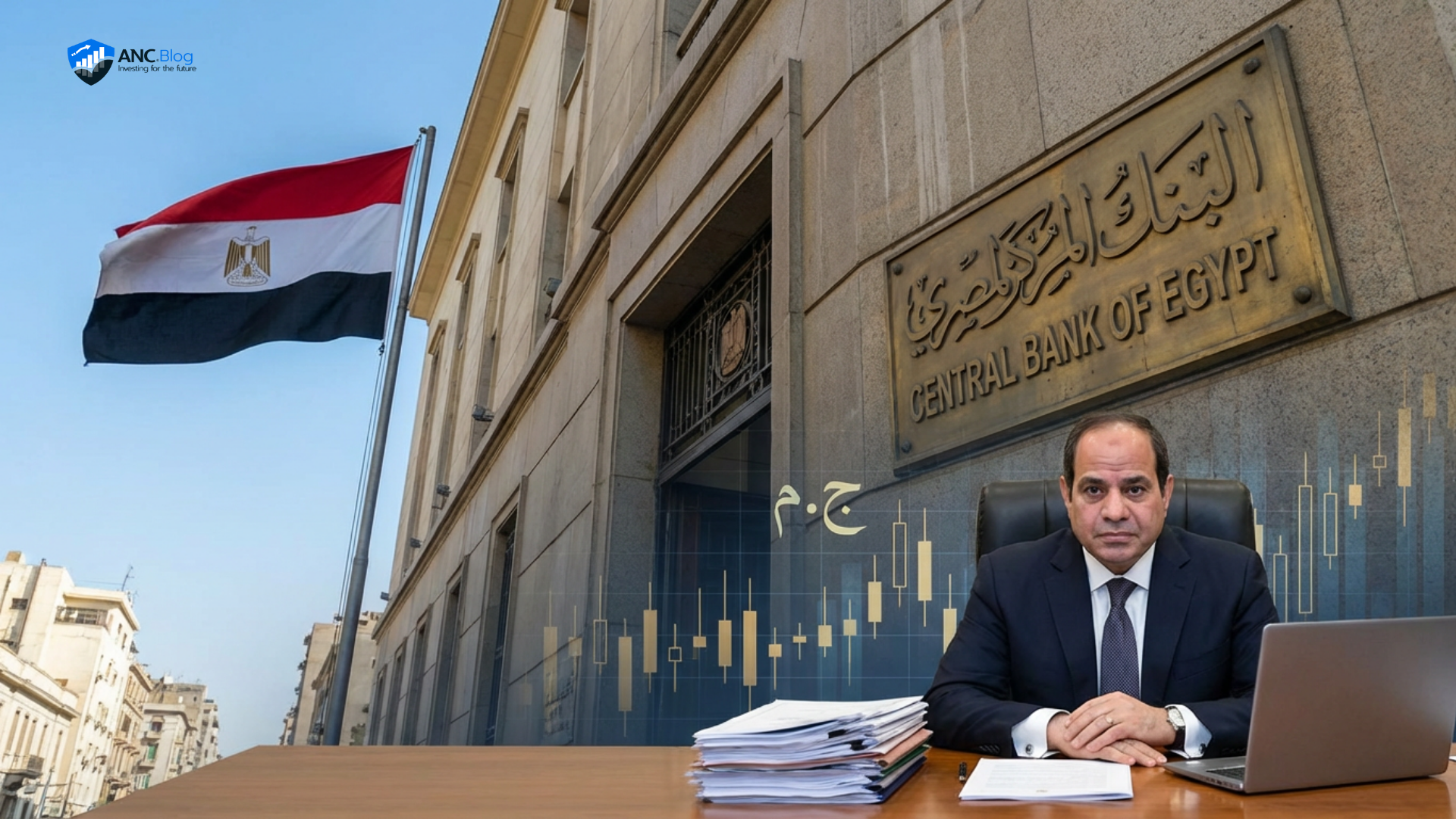


Forex trading in Egypt has grown quietly but steadily over the years. While the global forex market moves fast, Egypt’s story is a bit different shaped by currency control policies, government oversight, and limited broker access. Yet, despite these challenges, many local traders are finding creative ways to participate in the African forex market. Join ANC Copytrading
Understanding Forex Trading in Egypt
Forex trading in Egypt means buying and selling foreign currencies through online brokers. It’s part of the larger African forex market, but Egypt’s situation is unique because of how the government manages its currency and financial systems. The Egyptian pound (EGP) is tightly controlled by the Central Bank of Egypt (CBE). This means that forex trading in Egypt doesn’t flow as freely as in other countries. The government keeps a close eye on currency exchange to protect the economy and prevent capital flight.
Currency Control Policies and Government Oversight
One of the biggest challenges for forex traders in Egypt is the strict currency control policy. The Central Bank regulates how foreign currencies move in and out of the country. This affects how traders deposit and withdraw money from forex trading platforms. Government oversight is also strong. The CBE and the Financial Regulatory Authority (FRA) monitor financial activities to ensure compliance with national laws. While this helps protect citizens from scams, it also limits access to international brokers. In short, forex trading in Egypt is legal, but it’s heavily monitored. Traders must be careful to use licensed brokers and follow the country’s financial rules.
Broker Accessibility in Egypt
Access to forex brokers in Egypt is limited compared to other parts of the African forex market. Many international brokers don’t operate directly in Egypt because of regulatory restrictions. Local traders often rely on offshore brokers that accept Egyptian clients. However, this comes with risks such as limited customer support, currency conversion issues, and withdrawal delays. Still, some global brokers have found ways to serve Egyptian traders by offering Arabic-language platforms, local payment options, and educational resources. These small steps are helping more Egyptians join the forex trading community.
Payment and Withdrawal Systems
Payment and withdrawal systems are another major concern for forex traders in Egypt. Because of currency restrictions, using international payment methods like PayPal or foreign bank transfers can be difficult. Most traders use local bank cards, e-wallets, or cryptocurrency to fund their trading accounts. Some even use peer-to-peer (P2P) systems to move money between traders. While these methods work, they can be slow or come with extra fees. The good news is that fintech innovation in Africa is improving. More local payment solutions are emerging, making forex trading in Egypt a bit easier for everyday traders.
Local Trader Experiences
To understand forex trading in Egypt, it helps to hear from local traders themselves. Many describe the experience as a mix of frustration and hope.
For example, Ahmed, a 27-year-old trader from Cairo, says he started trading forex during the pandemic. He learned through YouTube and Telegram groups. “The hardest part isn’t trading,” he says. “It’s getting your money in and out of the platform.” Others share similar stories, long withdrawal times, limited broker options, and strict banking rules. Yet they keep trading because forex offers a chance to earn in foreign currency and build financial independence. This sense of community and resilience is what keeps the Egyptian forex scene alive. Traders share tips, warn each other about scams, and celebrate small wins together.

The Government and Regulatory Stance
The Egyptian government’s stance on forex trading is cautious but evolving. The Central Bank and FRA aim to protect citizens from unregulated brokers and financial fraud. However, this cautious approach also slows down the growth of the local forex industry. There’s growing interest in creating clearer regulations for forex trading in Egypt. If that happens, it could attract more licensed brokers and make the market safer for everyone.
The Future of Forex Trading in Egypt
It depends on how the government balances control with innovation. As more Egyptians learn about online trading and digital finance, the demand for accessible forex platforms will keep rising. Egypt has the potential to become a strong player in the African forex market. With their better regulation, improved payment systems, and more broker access, forex trading in Egypt could become a major opportunity for young entrepreneurs and investors.
Conclusion: Forex trading in Egypt is not easy, but it’s growing. Despite currency control policies, government oversight, and limited broker access, local traders continue to find ways to participate in the global forex market. The African forex market is growing, and Egypt is part of that story. With time, better systems, and more awareness, forex trading in Egypt could become one of North Africa’s most promising financial movements.
Subscribe to our blog for more trading insights, expert analysis, market updates and strategies – join our telegram community today!