
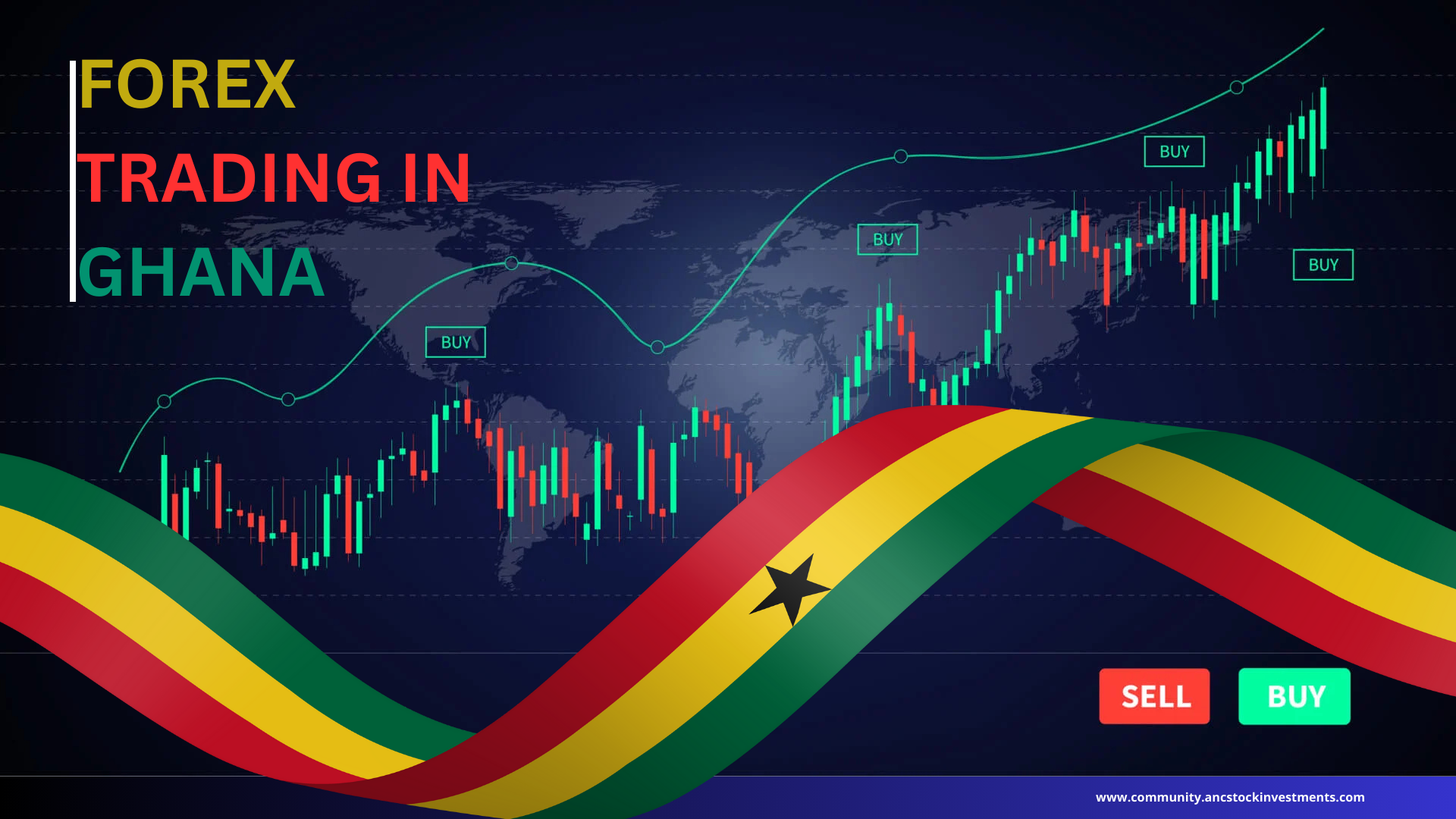


Forex trading in Ghana is growing fast, even though the market operates in a space that’s not fully regulated. Across Accra, Kumasi, and other major cities, more Ghanaians are learning how to trade currencies, follow global trends, and earn in dollars. But behind the excitement lies a mix of opportunity, restriction, and creativity. This article explores how forex trading in Ghana really works from informal trading systems and payment challenges to how traders rely on international brokers despite local restrictions. Join ANC Copytrading
The Increase of Forex Trading in Ghana
Forex trading in Ghana has become a popular way for young people to explore financial independence. More Ghanaians are joining the African forex market with the rise of online education, social media mentorship, and mobile technology. However, unlike countries such as Kenya or South Africa, Ghana’s forex trading environment is still largely informal. There’s no clear regulatory framework for online forex trading, which means traders often operate independently or through offshore brokers. Despite this, the passion for trading keeps growing. Many Ghanaians see forex as a way to earn in foreign currency and escape the limitations of the local economy.
Informal Trading Systems
Because forex trading in Ghana isn’t formally regulated, most traders rely on informal systems to learn, trade, and connect. Telegram groups, WhatsApp communities, and local mentorship programs have become the backbone of the trading scene. These communities share strategies, discuss broker options, and support one another through the ups and downs of trading. While this setup helps new traders get started, it also exposes them to risks including scams and unverified brokers. Still, the informal system has created a strong sense of community. Many traders say they learned more from local mentors and peers than from any online course.
Payment and Withdrawal Challenges
One of the biggest challenges for Ghanaian traders is funding and withdrawing from forex accounts. Because of local banking restrictions and limited access to international payment systems, traders often struggle to move money in and out of their trading platforms. To overcome this, many use alternative methods such as:
- Crypto payments (USDT, Bitcoin)
- Peer-to-peer (P2P) transfers
- Third-party payment processors
While these methods work, they come with risks like transaction delays, high fees, and fraud. Some traders even rely on trusted middlemen to handle deposits and withdrawals which is risky but common practice in Ghana’s forex community.
Sign up for taurex here!
Broker Accessibility
Since Ghana doesn’t have locally licensed forex brokers, most traders use international brokers. These brokers are often regulated in other countries, such as the UK, Cyprus, or Australia. Popular global brokers like Exness, XM, and FXTM have a strong presence in Ghana, offering flexible deposit options and educational resources. However, because they operate outside Ghana’s jurisdiction, traders have limited legal protection if disputes arise. This lack of local regulation means traders must do their own research before choosing a broker. Many rely on online reviews, community recommendations, and trial accounts to find trustworthy platforms.
Government and Regulatory Stance
The Bank of Ghana (BoG) oversees the country’s financial system, but it hasn’t yet established clear rules for online forex trading. The BoG mainly focuses on traditional foreign exchange operations such as licensed forex bureaus and banks rather than retail trading. This regulatory gap leaves traders in a grey area. Forex trading isn’t illegal in Ghana, but it’s not officially recognized either. As a result, traders operate freely but without formal protection or oversight.Some experts believe that as the African forex market continues to grow, Ghana will eventually introduce regulations to protect traders and attract legitimate brokers.
The Reality for Ghanaian Traders
Forex trading is both exciting and challenging for many Ghanaian traders. They see it as a way to earn in dollars and gain financial freedom, but they also face real obstacles from payment barriers to unreliable brokers. Local traders often share stories of how they started small, lost money, learned from mistakes, and eventually found consistency. Their experiences show that success in forex trading takes time, discipline, and education. Despite the hurdles, Ghanaian traders remain resilient. They continue to learn, adapt, and build communities that support one another.
Balancing Risk and Opportunity
Forex trading in Ghana is a mix of risk and opportunity. The lack of regulation creates freedom but also exposes traders to danger. The key to surviving and thriving in this environment is education and caution. Traders who take time to understand risk management, verify brokers, and use secure payment methods are more likely to succeed. The informal system may not be perfect, but it has built a strong foundation for Ghana’s growing trading community.
Conclusion
Forex trading in Ghana sits between regulation and reality. While the government hasn’t yet created a formal structure, traders continue to find ways to participate in the global market. It starts with informal trading systems to creative payment solutions, Ghanaian traders are proving that determination can overcome barriers. As the African forex market evolves, Ghana’s trading community will likely play a major role in shaping its future.
⇒Next in our Forex Trading Across Africa series is Forex Trading in Egypt. Stay tuned for the next article in the series.