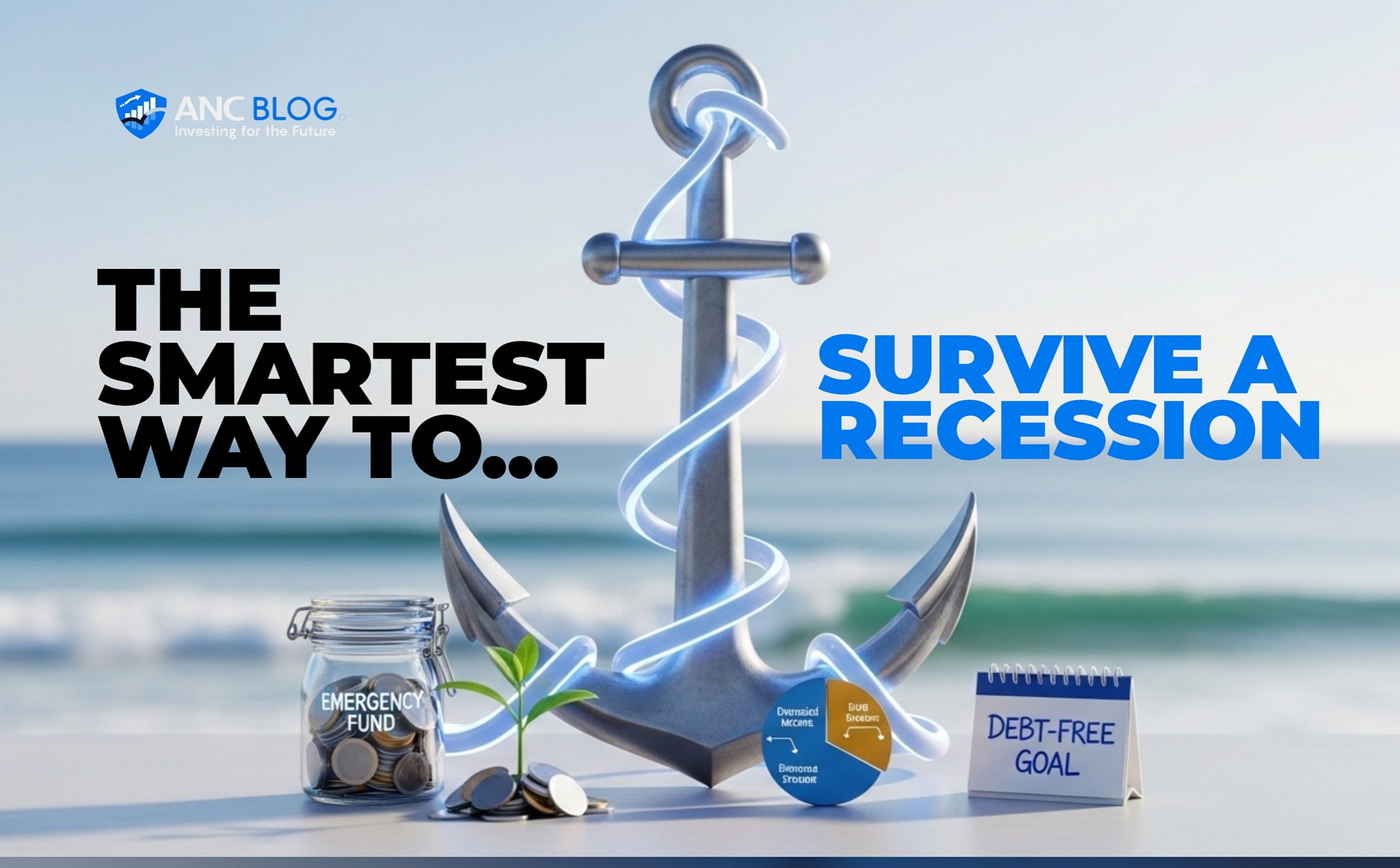



The global economy affects everyone not just governments or big companies. Every time the price of oil changes, the dollar rises or falls, or a country faces inflation, it touches daily life. Even if it’s the cost of food, rent, or even the value of savings, global economic changes shape personal finances in real ways.
Understanding Global Economic Changes
Global economic changes happen when major events shift how money moves around the world. These can include:
- Inflation or deflation in major economies
- Changes in oil and gold prices
- Currency fluctuations (like the dollar rising or falling)
- Interest rate adjustments by central banks
- Trade wars or political instability
- Global recessions or economic booms
When these things happen, they don’t stay “out there.” They ripple through markets, businesses, and eventually, personal wallets.
1. Currency Fluctuations and Purchasing Power
When the dollar strengthens, imported goods become more expensive for countries that trade with the U.S. This means higher prices for fuel, electronics, and even food. On the other hand, when the dollar weakens, imported goods may become cheaper, but exports might drop. For individuals, this affects purchasing power, how much money can actually buy. If the local currency loses value, the same amount of money buys fewer goods. That’s why people often say, “Money no longer stretches like before.”
2. Inflation and Cost of Living
Inflation is one of the most direct ways global changes hit personal finances. When global supply chains are disrupted or when oil prices rise, the cost of goods and services increases.
This means:
- Groceries cost more
- Transport fares go up
- Rent and utilities rise
To manage this, people often need to adjust budgets, cut unnecessary spending, and find new ways to save. Inflation reduces the real value of money, so saving in cash becomes less effective.

3. Interest Rates and Loans
When global economies slow down, central banks often cut interest rates to encourage borrowing and spending. When economies heat up, they raise rates to control inflation.
For individuals, this affects:
- Loan repayments: Higher rates mean higher monthly payments.
- Savings returns: Lower rates mean less interest earned on savings.
- Investment decisions: People may move money from savings to investments that yield more.
Understanding interest rate trends helps in making smarter financial decisions like when to take a loan or when to refinance.
4. Job Security and Income Stability
Global economic downturns often lead to job cuts, reduced salaries, or slower business growth. When companies face higher costs or lower demand, they adjust their workforce and spending. This is why it’s important to:
- Build an emergency fund
- Diversify income sources
Learn new skills that stay relevant even during economic shifts A strong personal financial plan cushions the impact of global uncertainty.
5. Investments and Market Volatility
Global events like wars, pandemics, or policy changes can shake financial markets. Stocks, crypto, and commodities like gold or oil can rise or fall sharply.
For investors, this means:
- Diversify portfolios to reduce risk
- Avoid panic selling during market dips
- Focus on long-term goals instead of short-term fear
Even if markets fluctuate, staying informed and patient often pays off more than reacting emotionally.

6. Savings and Currency Value
When inflation rises or the local currency weakens, savings lose value over time. For example, ₦100,000 saved last year might not buy the same things this year.
To protect savings:
- Consider foreign currency savings if possible
- Explore low-risk investments like treasury bills or mutual funds
- Keep part of savings in assets that hold value, such as gold or real estate
The goal is to make money work, not just sit idle.
7. Everyday Prices and Lifestyle Choices
Global economic changes show up in small daily ways: the price of bread, fuel, or even mobile data. When global oil prices rise, transport costs increase, and that affects everything else.
This is why financial awareness matters. Knowing what’s happening globally helps in planning better locally. It helps people decide when to buy, when to save, and when to invest.
8. How to Stay Financially Ready
Here are simple ways to stay prepared for global economic shifts:
- Track expenses regularly
- Save in stable assets
- Avoid unnecessary debt
- Stay informed about global and local financial news
- Invest in knowledge, financial literacy pays off
Being proactive is better than being surprised.
Summary
Global economic changes may sound distant, but they shape everyday life from the price of food to the value of savings. The key is to stay informed, flexible, and intentional with money.
When the world economy shifts, those who understand the ripple effects can adjust faster and smarter. Personal finance isn’t just about numbers; it’s about awareness, adaptability, and making choices that protect the future.