

Money management can feel confusing sometimes. Everyone says, “Save your money” while others shout, “Invest it” But what’s the real difference between saving and investing? And more importantly, which one should come first?
Understanding the Difference Between Saving and Investing
Saving
Saving means setting money aside for short-term goals or emergencies. It’s money you can easily access when life happens like when your phone breaks, rent is due, or you need quick cash.
- Where it goes: Savings account, digital wallet, or emergency fund.
- Goal: Safety and easy access.
- Risk level: Very low, your money is safe but grows slowly.
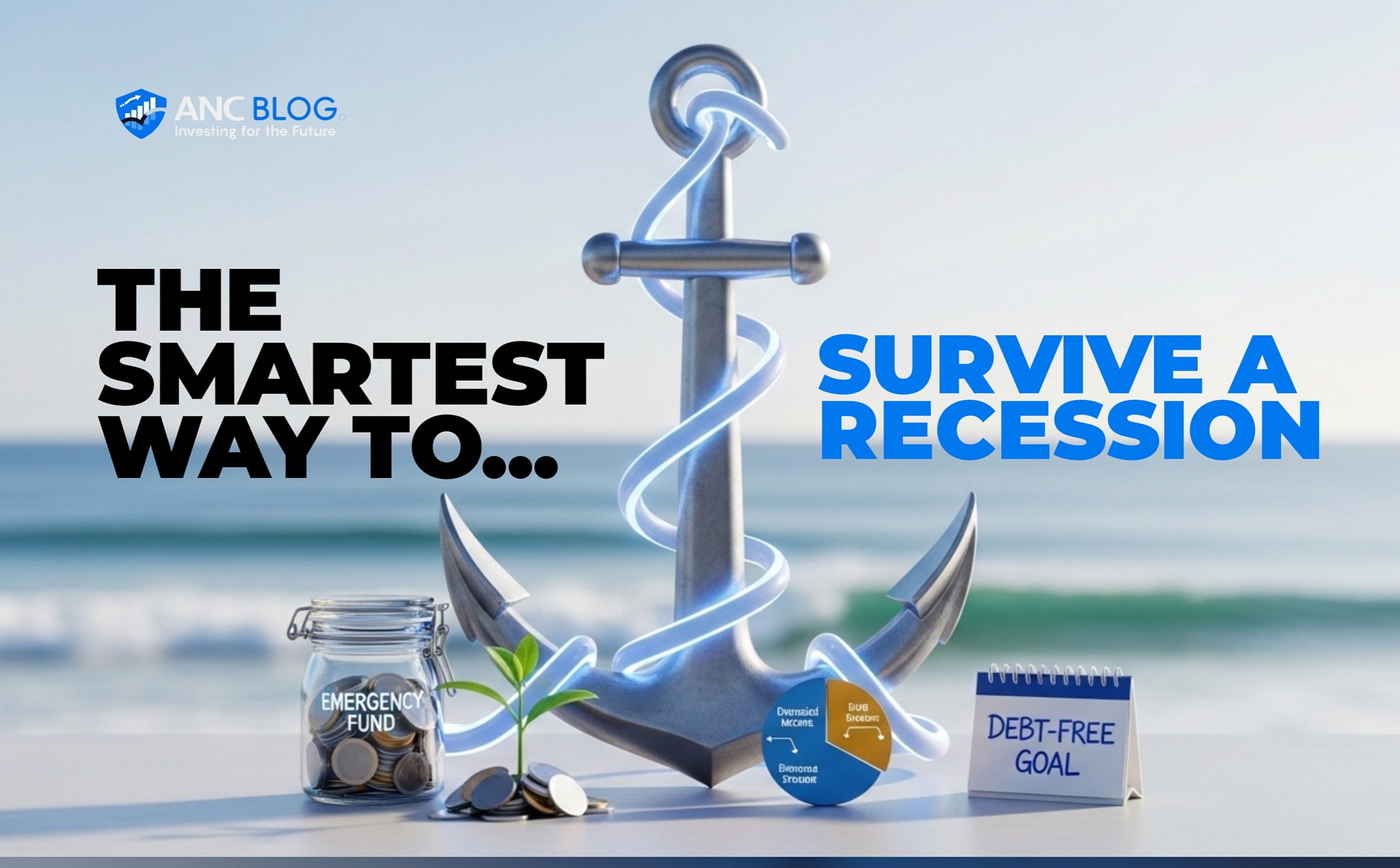
Think of saving as your financial seatbelt. It doesn’t make you rich, but it keeps you safe when things get rough.
Investing
Investing, on the other hand, means putting money into assets that can grow over time like stocks, real estate, mutual funds, or crypto.
- Where it goes: Stock market, real estate, bonds, or investment apps.
- Goal: Long-term growth and wealth building.
- Risk level: Higher but with higher potential returns.
Investing is like planting a tree. It takes time, patience, and care, but one day, it gives shade and fruit.

The Key Difference in One Line
Saving protects your money; Investing grows your money. Both are important, but they serve different purposes. Saving gives stability; investing builds wealth.
Which Should You Focus on First?
Truthfully, saving should come before investing.
Before thinking about profits or returns, it’s important to have a safety net. Life is unpredictable, and without savings, even small emergencies can throw everything off balance.
- Start with Saving: Build an emergency fund that covers at least 3–6 months of expenses.
- Keep it in a safe, accessible account like a savings account or money market fund.
Once that’s set, you can start investing confidently. Then Move to Investing: Begin small, even ₦5,000 or $10 can start your investment journey.
- Choose low-risk options first, like mutual funds or index funds.
- As confidence grows, explore stocks, real estate, or crypto wisely.
- Saving gives peace of mind; investing gives financial freedom.

Why You Need Both
Relying only on savings means your money loses value over time because of inflation. But investing without savings is risky. one emergency can force you to sell investments too early. That’s why the best financial strategy is balance. Save for security, invest for growth.
Example: Imagine two friends, Ada and Tunde.
Ada saves ₦50,000 monthly but never invests. After a few years, her money grows slowly because of low interest. Tunde invests everything without saving. When his car breaks down, he sells his stocks at a loss.
The smart move? Combine both. Save first, then invest consistently. That’s how true financial stability is built. Join our community on telegram
Simple Steps to Get Started
- Track your income and expenses. Know where your money goes.
- Set clear goals. Short-term (savings), long-term (investments).
- Automate savings. Let a fixed amount move to your savings account monthly.
- Start investing early. Time is your biggest advantage.
- Stay consistent. Small steps add up over time.
Summary
Saving and investing aren’t rivals, they’re teammates. Saving keeps you grounded; investing helps you grow. Start by saving enough to handle life’s surprises, then invest to build the future you want. The goal isn’t just to make money, it’s to make money work for you. Financial freedom doesn’t happen overnight, but with the right mix of saving and investing, it’s absolutely possible.