


The world of cryptocurrency is changing fast, and one of the biggest shifts happening right now is regulation. Governments across the globe are introducing new crypto laws to make digital assets safer, more transparent, and easier to monitor. This movement is creating both excitement and concern among investors. Understanding how these new policies could impact investors is essential, especially as countries like the United States and members of the European Union roll out fresh frameworks for crypto trading, taxation, and investor protection.
This article breaks down what’s happening, why it matters, and how investors can prepare for the next phase of crypto regulation.
1. Why Crypto Regulation Matters for Every Investor
Crypto regulation is becoming one of the most important topics in the financial world. For years, the crypto market operated with little oversight, which allowed innovation to grow rapidly but also opened the door to scams, fraud, and market manipulation. Now, governments are stepping in to create clearer rules. These regulations aim to protect investors, reduce illegal activity, and make the crypto market more stable. However, they also bring new responsibilities for traders and investors, such as tax reporting and compliance requirements.
In simple terms, crypto regulation is about balance by protecting people without killing innovation. Trade anywhere with taurex
2. The Global Push for Crypto Regulation
The push for crypto regulation is not limited to one region. It’s a global movement.
In the United States, lawmakers are working on frameworks that define which digital assets are considered securities and which are commodities. This distinction affects how exchanges operate and how investors are taxed. Meanwhile, the European Union has introduced the Markets in Crypto-Assets (MiCA) regulation, which sets clear rules for crypto companies, stablecoins, and investor disclosures. MiCA is expected to become a global model for responsible crypto oversight.
Other countries like the United Kingdom, Singapore, and Japan are also tightening their crypto laws to ensure transparency and protect consumers. This global coordination shows that crypto is no longer a fringe market, it’s becoming part of the mainstream financial system.

3. How New Crypto Policies Could Impact Trading
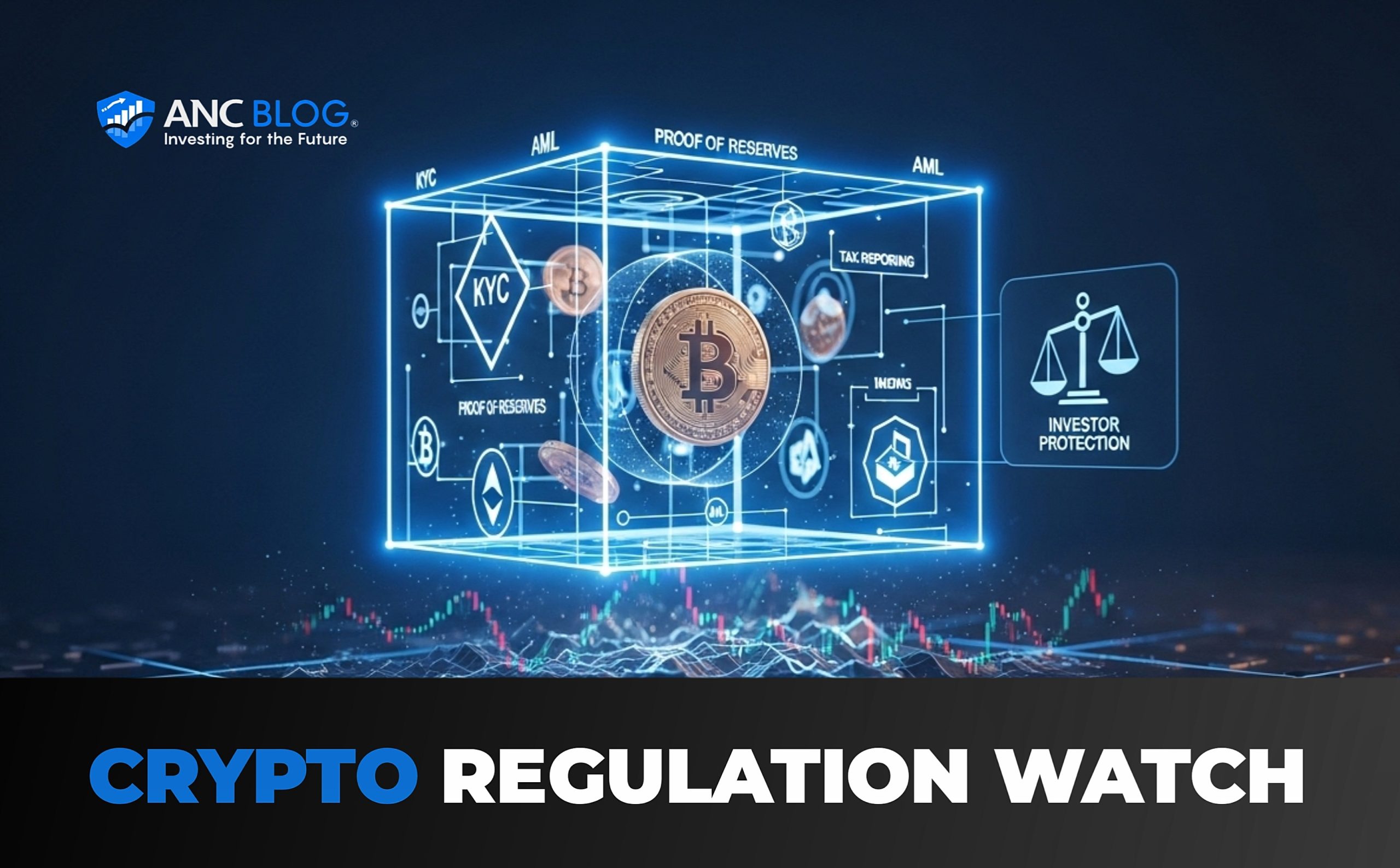
One of the biggest questions investors ask is how new crypto regulations will affect trading. Under stricter rules, exchanges may need to verify user identities more thoroughly through Know Your Customer (KYC) and Anti-Money Laundering (AML) procedures. While this might reduce anonymity, it also helps prevent fraud and illegal transactions.
Additionally, some smaller or unregulated exchanges might struggle to meet compliance standards, leading to fewer trading options. On the other hand, regulated exchanges could become safer and more trustworthy for long-term investors. In the long run, these changes could make the crypto market more stable and less prone to sudden collapses caused by bad actors or unverified projects.
4. Crypto Regulation and Taxation: What Investors Should Know
Taxation is one of the most direct ways new crypto policies could impact investors. Governments are now paying closer attention to crypto profits, and tax authorities want their share. In many countries, crypto gains are treated like capital gains, meaning investors must report profits when selling or trading digital assets. Some regions are even developing automated systems to track transactions and ensure compliance. Trade anywhere with taurex
While this might sound intimidating, clear tax rules can actually benefit investors. They remove uncertainty and make it easier to plan long-term strategies without fear of unexpected penalties. The smartest move is to keep detailed records of all crypto transactions and consult a tax professional familiar with digital assets.
5. Investor Protection: The Positive Side of Regulation
Although some traders’ fear regulation, it’s important to recognize the benefits. Stronger investor protection is one of the main goals of crypto regulation. New policies require exchanges and crypto companies to be more transparent about how they handle customer funds. This reduces the risk of losing money to scams or poorly managed platforms.
For example, after several high-profile exchange collapses, regulators are now demanding proof of reserves and better security standards. These measures help rebuild trust in the crypto ecosystem and attract more institutional investors. In the long term, investor protection could make crypto safer and more appealing to everyday users.

6. The Risks of Overregulation
While regulation brings stability, too much of it can slow innovation. Overregulation might discourage startups, limit access to decentralized finance (DeFi), or push innovation to less regulated regions. Finding the right balance is key. Governments must protect investors without stifling creativity. Investors, on the other hand, should stay informed and adapt to new rules instead of resisting them. The crypto industry thrives on innovation, and smart regulation can help it grow responsibly.
7. How Investors Can Prepare for the Future of Crypto Regulation
The smartest investors are those who prepare early. Here are a few practical steps to stay ahead
- Stay informed: Follow credible crypto news sources and official government updates.
- Use regulated exchanges: Choose platforms that comply with local laws and have strong security measures.
- Keep records: Track every transaction for tax and compliance purposes.
- Diversify holdings: Don’t rely on one asset or exchange. Spread risk across different investments.
- Stay flexible: Be ready to adjust strategies as new regulations take effect.
Staying proactive with investors can turn regulation into an advantage rather than a setback.
8. The Future of Crypto Regulation and What It Means for Investors
The future of crypto regulation looks promising but complex. As more countries adopt clear frameworks, the market will likely become more stable and attractive to institutional investors. For everyday traders, this means fewer scams, better protection, and more predictable rules. However, it also means more responsibility from paying taxes to verifying identities and following compliance standards.
Ultimately, crypto regulation is shaping the next chapter of digital finance. Investors who understand and adapt to these changes will be in the best position to succeed.
Summary
Crypto regulation is not the end of freedom in digital finance; it’s the beginning of maturity. The smartest investors see regulation as a sign that crypto is evolving into a legitimate, global financial system. Stay informed, compliant, and adaptable, investors can protect their assets and take advantage of new opportunities as the market grows stronger and more transparent. Join our telegram channel.