

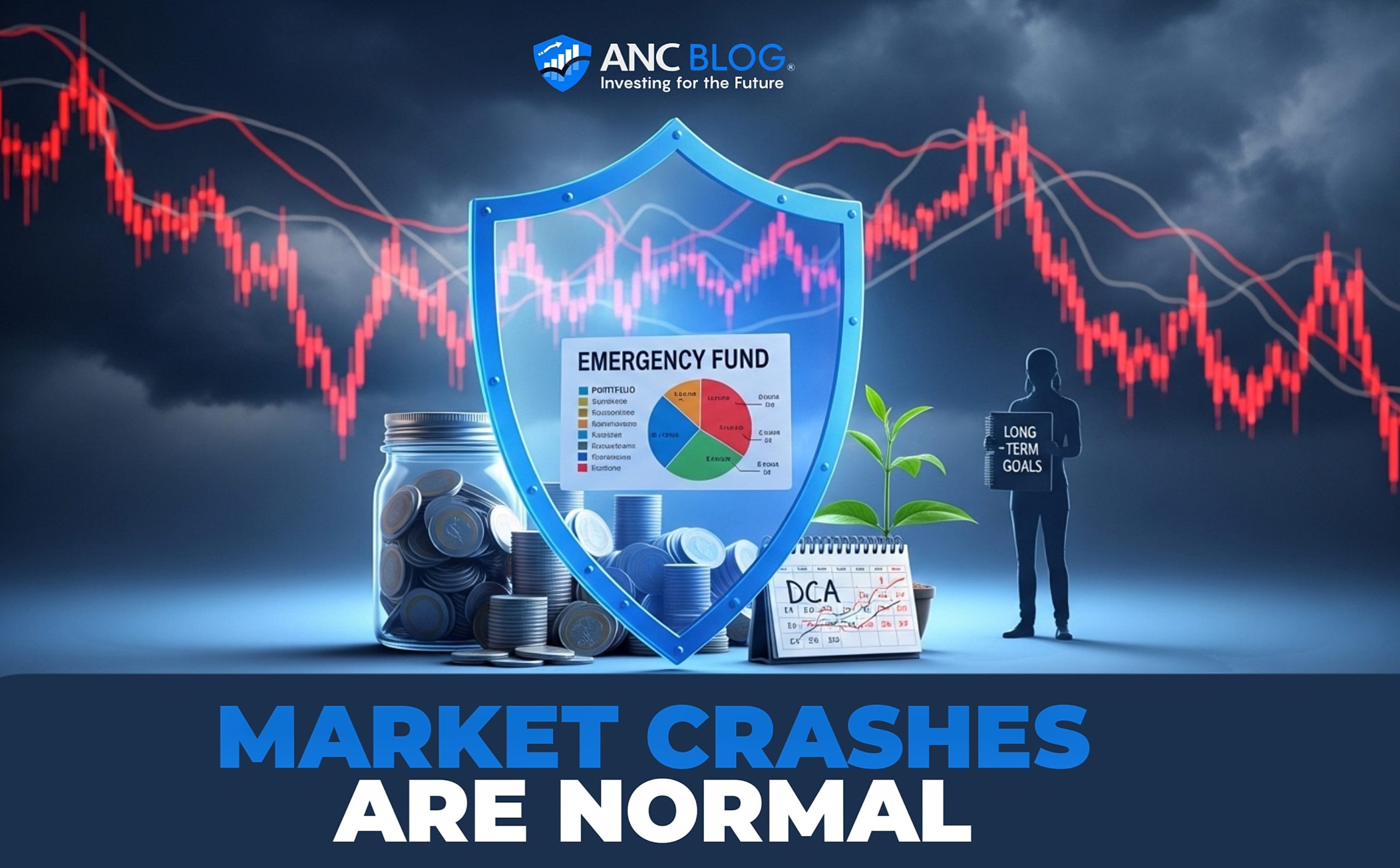


Market crashes can be scary, especially for small investors who have worked hard to build their portfolios. When prices drop suddenly, fear often takes over, and many people panic-sell their investments. But honest, market downturns are a normal part of the financial cycle. The key is learning how to protect yourself and your money when the market gets rough.
This article explains how small investors can stay safe, make smart decisions, and even find opportunities during market crashes
1. Stay Calm and Avoid Panic
The first and most important rule during a market crash is simple: don’t panic. Emotional decisions often lead to financial losses. When markets fall, it’s natural to feel anxious, but selling everything out of fear usually locks in losses that could have been temporary. Instead, take a step back and remember that markets have always recovered over time. History shows that patience often pays off. Staying calm helps small investors think clearly and make better choices.
2. Build an Emergency Fund Before Investing
One of the best ways small investors can protect themselves during market crashes is by having an emergency fund. This is money set aside for unexpected expenses like job loss, medical bills, or emergencies. An emergency fund acts as a safety net, so you don’t have to sell your investments when prices are low. Ideally, it should cover three to six months of living expenses. Keeping this fund in a savings account or money market fund ensures quick access when needed.
3. Diversify Investments to Reduce Risk
Diversification is one of the smartest strategies for small investors. It means spreading investments across different asset types such as stocks, bonds, real estate, and even cash. When one market sector falls, another might rise or stay stable. This balance helps reduce overall risk. For example, if tech stocks drop, your bond investments might hold steady, protecting part of your portfolio. Diversification doesn’t eliminate risk completely, but it cushions the impact of market crashes and helps your portfolio recover faster. Trade anywhere with taurex

4. Focus on Long-Term Goals
Market crashes are temporary, but long-term goals are not. Small investors should always keep their eyes on the bigger picture. If the goal is retirement, education, or building wealth over decades, short-term market drops shouldn’t change the plan. Instead of reacting to daily price swings, focus on consistent investing and long-term growth. Remember, time in the market is more powerful than timing the market.
5. Keep Investing Regularly Through Dollar-Cost Averaging
A smart way to protect yourself during market crashes is by using dollar-cost averaging. This means investing a fixed amount of money at regular intervals for example, monthly — regardless of market conditions. When prices drop, your fixed investment buys more shares. When prices rise, it buys fewer. Over time, this strategy lowers the average cost per share and reduces the emotional stress of trying to predict market movements. It’s a simple, disciplined approach that helps small investors stay consistent even when markets are volatile.
6. Avoid High-Risk Investments During Uncertain Times
During market crashes, it’s tempting to chase “cheap” stocks or risky opportunities that promise quick profits. However, these can lead to bigger losses. Small investors should focus on quality investments like companies with strong fundamentals, stable earnings, and good management. Avoid speculative assets that depend on hype or short-term trends. Protecting wealth is more important than chasing risky returns during uncertain times.
7. Rebalance Your Portfolio Periodically
Over time, market movements can change the balance of your portfolio. For example, if stocks fall sharply, your bond holdings might become a larger percentage of your total investments. Rebalancing means adjusting your portfolio back to its original target mix. This helps maintain your desired level of risk and ensures you’re not overexposed to one asset type. Rebalancing once or twice a year is usually enough for most small investors.

8. Keep Learning and Stay Informed
Knowledge is one of the best protections against fear. Understanding how markets work helps small investors make confident decisions. Follow credible financial news, read investment books, and learn from trusted experts. However, avoid information overload or sensational headlines that create panic. Staying informed helps you recognize opportunities even during downturns.
9. Seek Professional Advice When Needed
If managing investments feels overwhelming during a market crash, consider talking to a financial advisor. A professional can help assess your risk tolerance, review your portfolio, and create a plan that fits your goals. Advisors can also provide emotional support, helping you stay calm and focused when markets are unpredictable. Open a capital account
10. Trust the Process and Have Faith in Recovery
Every market crash in history has eventually been followed by recovery. It may take months or even years, but markets always bounce back. Small investors who stay patient, disciplined, and consistent often come out stronger. Trust the process, keep faith in your strategy, and remember that downturns are part of the journey toward long-term wealth.
Summary
Market crashes can be intimidating, but they don’t have to destroy your financial future. The best protection for small investors is preparation such as building an emergency fund, diversifying investments, staying calm, and focusing on long-term goals. Wealth isn’t built by avoiding risk completely; it’s built by managing it wisely. Patience, discipline, and the right mindset can help small investors not only survive market crashes but also grow stronger through them.