

This week delivered a clear stress test for both prop firm traders and regular FX traders.
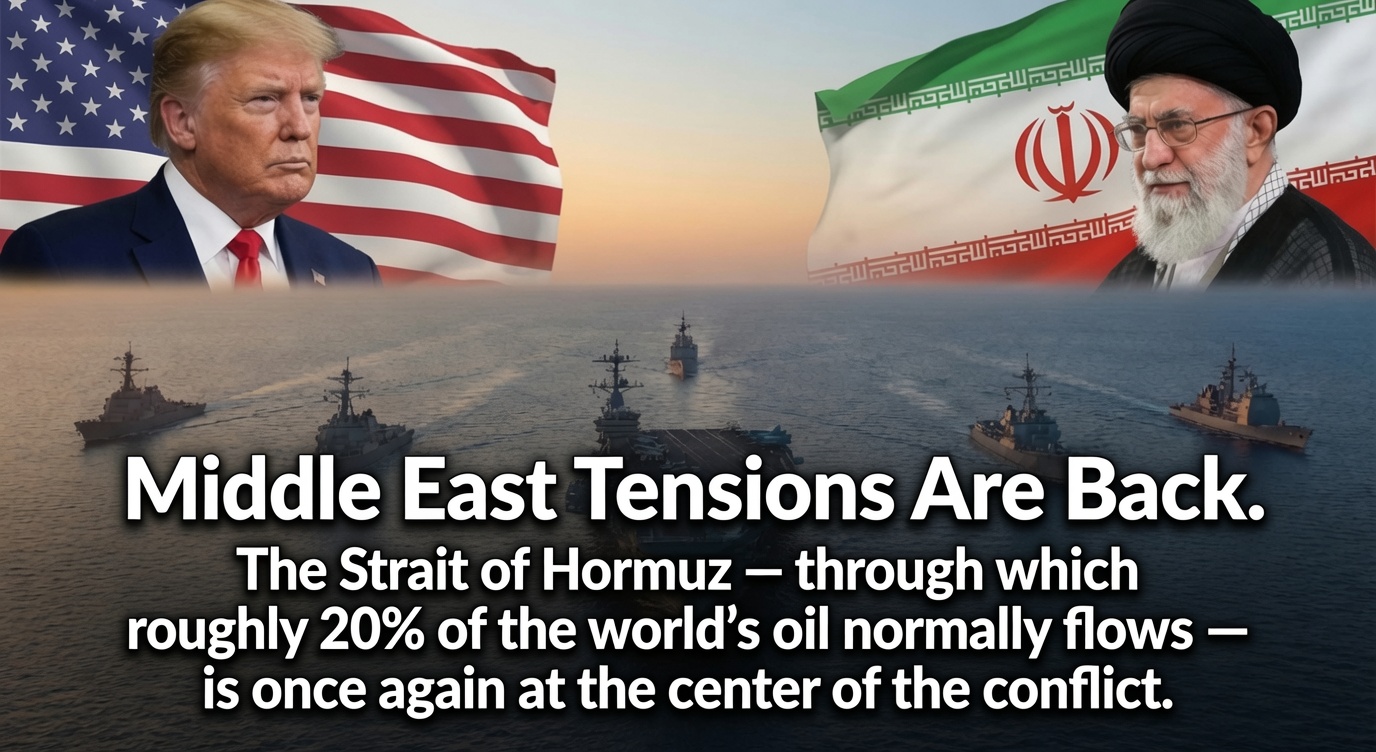
Oil stayed elevated on Middle East tensions. Gold reacted to the political noise. Trump’s comments kept pressure on risk sentiment. Volatility increased. Spreads widened. And the usual cracks in the industry showed up again, especially around prop firm rules and broker withdrawals.
Here’s a detailed breakdown of what actually happened and what traders need to pay attention to.
1. Volatility Is Not the Real Problem, Poor Position Sizing Is
When oil moves hard, gold reacts to political headlines, and risk sentiment flips on Trump-related comments, correlated pairs often move together. Many traders still size positions as if the market is calm.
That gap between the risk you think you’re taking and the risk you’re actually taking is where most accounts get damaged. Join ANC Trading community on Telegram to improve your trading skills and strategy.
This week was another reminder: if your average risk per trade does not shrink when volatility expands (especially around oil, gold, and geopolitical headlines), you are not managing risk; you are simply hoping.

Gold reacted to the political noise
2. Prop Firms Are Getting Better at Writing Rules That Favour Them
This is becoming more common and more sophisticated.
Many firms now use technical or deliberately vague language in their policies that gives them wide discretion. Common examples include:
- Broad “news trading” definitions that can catch almost any trade around high-impact events or political headlines
- Poorly defined “consistency rules” that allow firms to interpret large winners or uneven performance as violations
- Restrictions on “prohibited strategies” written in open-ended language
- Clauses such as “exploiting the system,” “abnormal trading activity,” or “risk department review” that allow delayed or denied payouts without clear criteria
The problem is not that rules exist. Every serious firm needs them. The real issue is when the language is technical or ambiguous on purpose, so the firm holds the advantage in interpretation.
A trader can follow the spirit of the rules and still lose a payout because the firm’s risk team decides otherwise. If you trade with prop firms, treat the rulebook like a legal contract. Look for clarity. Vague language is rarely accidental.
3. Brokers Are Starting to Behave More Like Prop Firms, Especially on Withdrawals
This is one of the more concerning shifts in the industry right now.
Some brokers are introducing trading restrictions that used to be more common in prop firms: limits on news trading, minimum holding times, strategy restrictions, and sudden rule changes. At the same time, broker withdrawal complaints are rising. Common issues include:
- Holding withdrawals under “compliance review” or “security checks” for extended periods
- Slow processing even when documentation is complete
- Spreads and slippage that widen significantly during volatility (oil moves, gold spikes, political headlines), then return to normal once the move is over
- Payment method problems that only appear when traders try to withdraw profits
Quiet markets hide these problems. High-volatility weeks (like this one) expose them quickly.

Trading with ECN
What Actually Matters When Choosing a Broker
Ignore the marketing. Focus on these factors instead:
- Regulation quality: Tier-1 regulators still matter more than most people admit.
- Withdrawal track record: How fast do they actually pay during high-volatility periods?
- Clarity of rules: Are trading restrictions clearly written, or do they leave room for discretionary decisions?
- Execution under stress: How do spreads and fills behave when oil, gold, or political headlines move the market?
- Client fund protection: Segregated accounts and clear policies.
- Payment reliability: Multiple working methods and a consistent history of processing withdrawals without unnecessary friction.
A broker that looks fine in calm markets can become a serious problem the moment volatility rises. That is when real quality shows.
Looking Ahead
Next week brings a heavy cluster of central bank decisions (Fed, Bank of England, and Bank of Japan). Treat it as high-risk territory. Reduce size, respect the rules of whatever firm or broker you are using, and prioritize survival over trying to catch every move.
The combination of oil, gold, and political tension this week did more than move prices. It exposed how some prop firms use technical language to their advantage and how certain brokers handle withdrawals when markets get difficult.
Traders who ignore these issues usually learn the hard way. Join Copy AncFX