



With cryptocurrency use on the rise across the world, Cameroon is laying a foundation for cryptocurrency regulation in the country.
To this end, the country’s Ministry of Posts and Telecommunications (MINPOSTEL), during a workshop on November 15, in Yaounde, will prepare a whitepaper on the regulation of cryptocurrencies and crypto-assets in Cameroon.

The workshop, according to MINPOSTEL, will lay down the rules and regulations that will govern cryptocurrency and crypto assets in Cameroon. The whitepaper will examine the regulatory mechanisms of cryptocurrencies, the ownership of the sector by the public, drawing up a complete map of cryptocurrency players in Africa, and other related matters.
It’s an indication that Cameroon is walking in the footsteps of some African countries like South Africa that has officially embraced cryptocurrency trade and investment laws.
This is a move that marks a departure from other African countries that have either sought to ban cryptocurrencies or make it difficult for them to operate.

There’s a need for cryptocurrency regulation
Across Africa, the use of digital currencies is on the rise. Yet, the regulatory framework to support these transactions is not yet fully developed.
Cameroon, for instance, lacks appropriate regulation addressing cryptocurrency and its legal status. A 2018 study reveals the West African country hasn’t enacted any legislation regarding cryptocurrencies.
The country, however, seems to be making some strides towards incorporating digital currency systems. In 2015, Cameroon enlisted the services of Indian software firm, Trestor, to try a digital currency, Trest.
The results of this Bitcoin-like currency were positive, but the high cost associated with the electricity usage necessary to process a cryptocurrency transaction hindered further testing of the currency within Cameroon. However, this demonstrated the country’s willingness to explore digital currency options within Cameroon.
Separatist movements & crypto
Although cryptocurrency remains largely decentralized and deregulated by the Cameroonian government, separatist movements are embracing cryptocurrency.
In 2018, separatists in the English-speaking part of Cameroon, seeking international recognition for the Federal Republic of Ambazonia, established the AmbaCoin, a separatist-backed cryptocurrency.
According to a Quartz report, a group of anonymous Anglophone separatist scholars, technocrats, and developers were behind the establishment of AmbaCoin.
The group is reportedly seeking to tie AmbaCoin to a traditional fiat currency that would allow the region to stop relying on the Central African franc (CFA).
AmbaCoin, with tailored-made features, was an ERC20 crypto-currency that relies on Ethereum as the parent chain. The developers boost the crypto’s transparency, confidentially and low transaction cost.
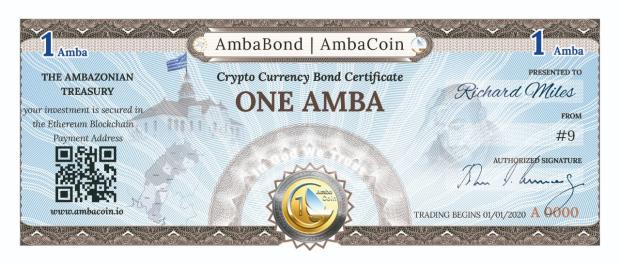
Separatists argued that the use of cryptocurrency is vital for secession as it would allow a flow of foreign direct investment absent in the control of the central Cameroonian government.
As digital currencies move from the periphery of the finance world to the mainstream, crypto-assets service providers have come under increased scrutiny worldwide.
In Africa’s most developed economy, the collapse of a Bitcoin trader late last year, alleged to be the country’s largest Ponzi scheme, and other cases of market abuse have highlighted the need for tighter rules.
Across the world, several companies now accept cryptocurrency payments. Think PayPal, Microsoft, Tesla, etc, and countries like China, Nigeria, France, El Salvador, etc, have also created their own cryptocurrencies.
Cryptocurrency adoption in Africa
Nigeria has become the first African nation to roll out a digital currency. Dubbed the eNaira, the issuance comes after the Central Bank of Nigeria (CBN) earlier in February outlawed banks and financial institutions from transacting or operating in cryptocurrencies as they posed a threat to the financial system.
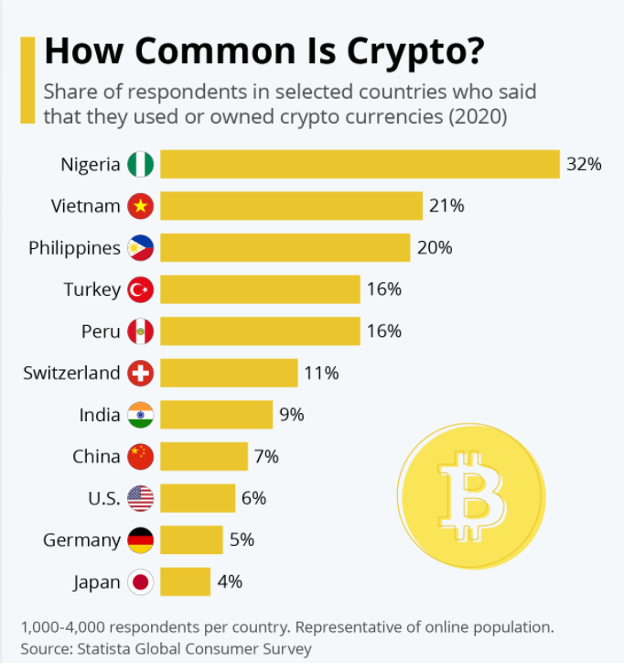
Now, however, the CBN has joined a growing list of emerging markets betting on digital money to cut transaction costs and boost participation in the formal financial system.
Ghana is looking at allowing a digital currency pilot following the launch of a fintech regulatory and innovation live testing pilot. Ghana has christened the digital currency project, E-Cedi.
After a four-year ban, the Moroccan Central Bank has formed an exploratory committee to determine the positive and drawbacks of a regulated digital currency ecosystem to its economy.
In North Africa, Tunisia is exploring ways to advance its e-dinar, a blockchain-based digital version of the Tunisian dinar that has been on issuance through the government’s post office over the last five years.
The Central Bank of Madagascar has embarked on a two-phased project to study the issuance of a digital currency called e-Ariary that will entail analysis, design, and experimentation before implementation.
The “mushrooming of private cryptocurrencies” has also sparked interest in a regulated digital ecosystem in Kenya, with the country’s central bank saying it has initiated discussions with global players about central bank digital currencies.
With Cameroon looking to regulate cryptocurrency, will the West African country be the next African nation to launch a digital currency?