



The euro zone’s inflation rate has risen to hit a record high of 4.9% in November compared to the same month last year. This figure was above the consensus forecast of 4.5% and was higher than October’s 4.1%.
The troubling figure represents the euro zone’s highest on record in the 25 years that the data has been compiled.
It comes at a time when policymakers are waiting for more data on a new COVID-19 variant, omicron, which was reported for the first time last week in South Africa.
The new fears around the omicron COVID variant and vaccines also caused European stocks to pull back on Tuesday. Pan-European Stoxx 600 plummeted 1.2% in early trade, with autos falling to lead losses as all sectors and major bourses slid into negative territory.
In the US, stock futures sharply reversed course after rising in overnight trading. Asia-Pacific markets mostly traded lower as investors reassessed the risks associated with the new variant.
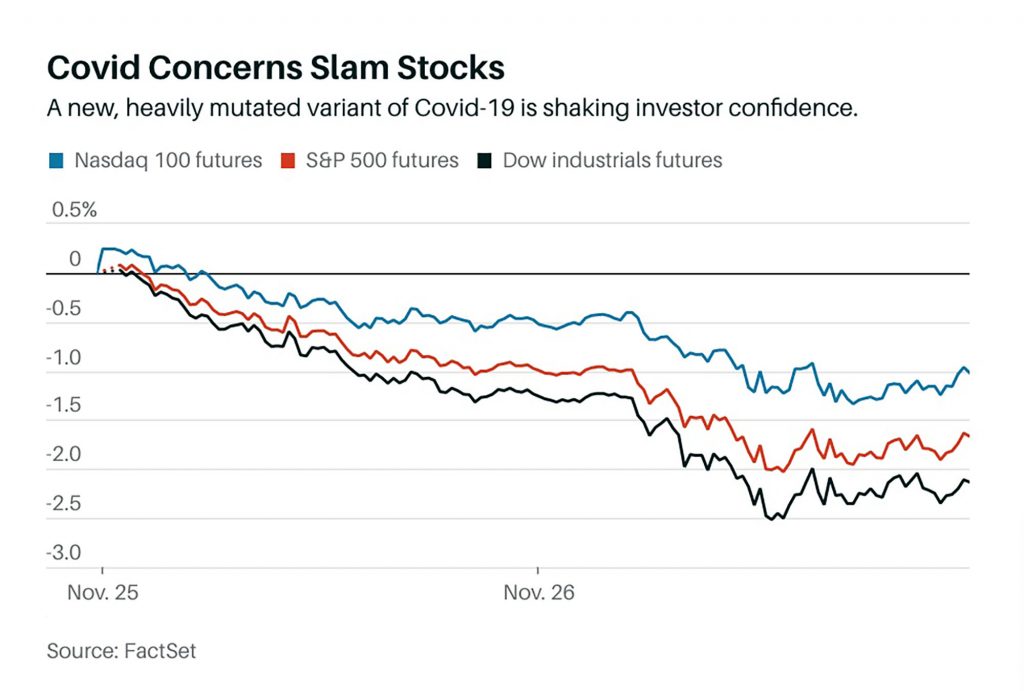
With travel restrictions implemented in the wake of the new variant, economies are poised to suffer.
For one thing, experts believe the world is better equipped and prepared to deal with the omicron virus now compared to when COVID-19 just emerged. Yet, market players are still worried about the prospect of further restrictions.
Also Read: Markets to Wobble, Then Shrug-off New COVID Variant
Inflation on the rise across Europe
Consumer prices across the euro area are up as higher energy costs and supply chain issues continue to threaten the zone.
In Germany, the inflation rate hit a 29-year high in November. A year ago, inflation was up by 6%, according to the harmonized index of consumer prices. In France, the inflation rate reached 3.4% last month, hitting its highest figure since 2008.
How will the ECB square inflation amid the pandemic?
With uncertainty over the pandemic, the European Central Bank’s (ECB) Vice President Luis de Guindos said last week that the central bank still plans to end its emergency bond purchases program in March.

Regardless, market players are eager to know how the central bank will be adjusting its other tools.