
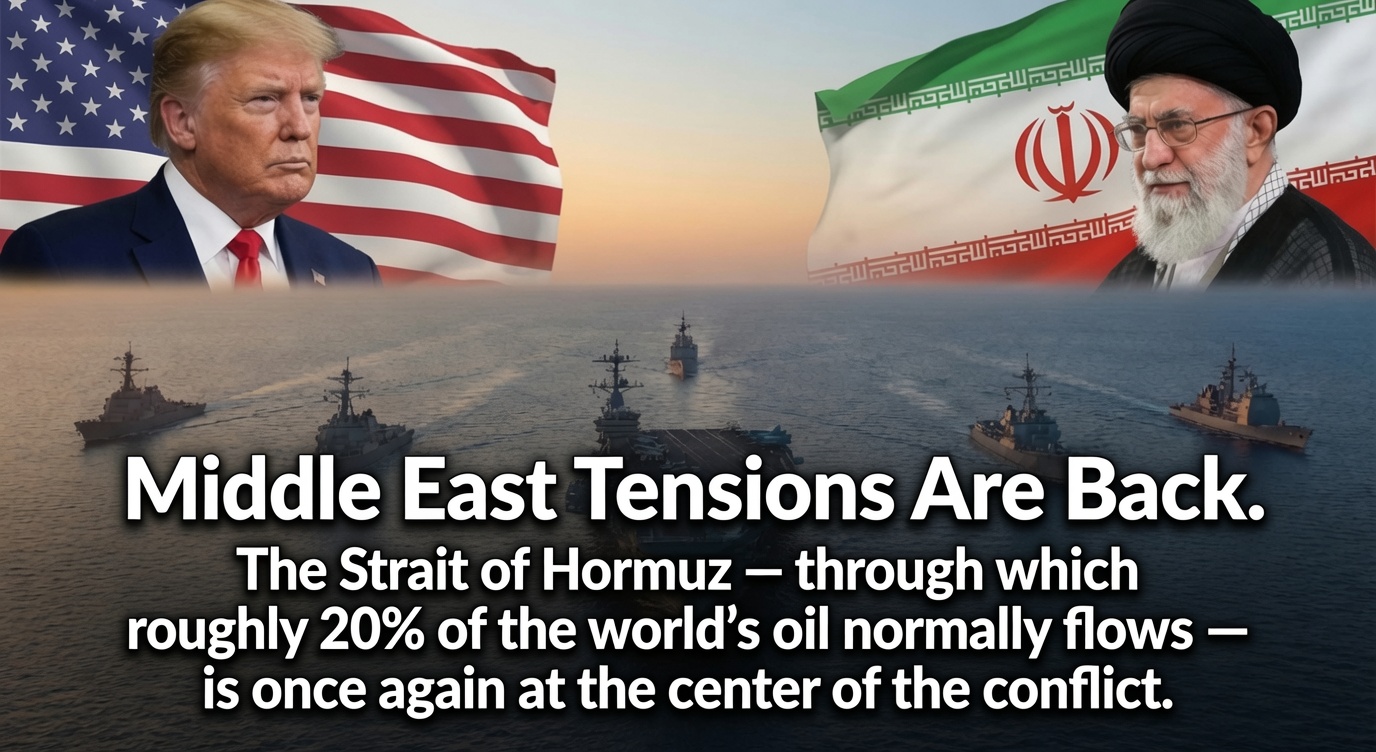

The Strait of Hormuz is once again in the spotlight. After a fragile period of relative calm, fresh strikes and conflicting claims over the waterway have pushed Brent crude back above $86 a barrel.
The brief calm in the Middle East is over. On July 14, 2026, President Donald Trump formally notified Congress that U.S. hostilities with Iran resumed on July 7. The notification starts a new 60-day clock under the War Powers Resolution, allowing the administration to continue military operations without immediate new congressional approval.
This is not a minor procedural step. It confirms what markets had already begun pricing in: the fragile ceasefire that held for several weeks has collapsed, and the risk of further escalation is real.

What Triggered the Latest Escalation
The latest round began with Iranian attacks on commercial shipping near the Strait of Hormuz, followed by ballistic missile strikes by Iran’s Islamic Revolutionary Guard Corps on U.S. bases in Jordan and Bahrain. Those missiles were intercepted and caused no casualties, but the response from Washington was swift.
Trump declared the previous ceasefire “OVER” in clear terms. He has demanded that Iran publicly commit to stopping all attacks on ships in the Strait of Hormuz and guarantee that the waterway remains fully open with no tolls or restrictions. At the same time, U.S. forces have adjusted their posture, including suspending the withdrawal of aerial refueling aircraft from Israel.
These moves signal that the White House is prepared to maintain pressure rather than return to the earlier de-escalation path.
Trump’s Approach to the Strait of Hormuz
Throughout 2026, Trump has treated the Strait of Hormuz as both a strategic and political priority. He has repeatedly stated that the United States will not accept Iranian control or interference over the waterway, through which roughly 20% of the world’s oil normally flows.
He has gone further in the past, floating the idea of the U.S. taking operational control of the Strait and even imposing its own fees (what he once called a “Guardian Angel” system). While those more extreme proposals have not been implemented, the underlying message remains consistent: any attempt by Iran to close or disrupt the Strait will be met with force.
The current War Powers notification reinforces that posture. By formally restarting the clock on military operations, Trump has kept the option of further strikes on the table while continuing to demand that Iran back down on shipping threats.
How Markets Are Reacting
Oil markets have responded quickly. Brent crude has climbed back above $86 a barrel as traders reassess the risk of renewed disruption to Persian Gulf exports. The price action reflects uncertainty more than an actual full closure of the Strait. Tanker traffic continues, but the threat of further attacks or a broader military response is enough to support higher prices.
This is classic geopolitical risk premium. When the White House and Tehran exchange threats and military actions, oil traders add a buffer for potential supply interruptions. That buffer is now back in the market after weeks of relative calm following the earlier ceasefire.
Volatility has increased not only in crude but also across related assets. Traders are watching every statement from Trump and every Iranian response for signs of whether the situation will stabilize or deteriorate further.
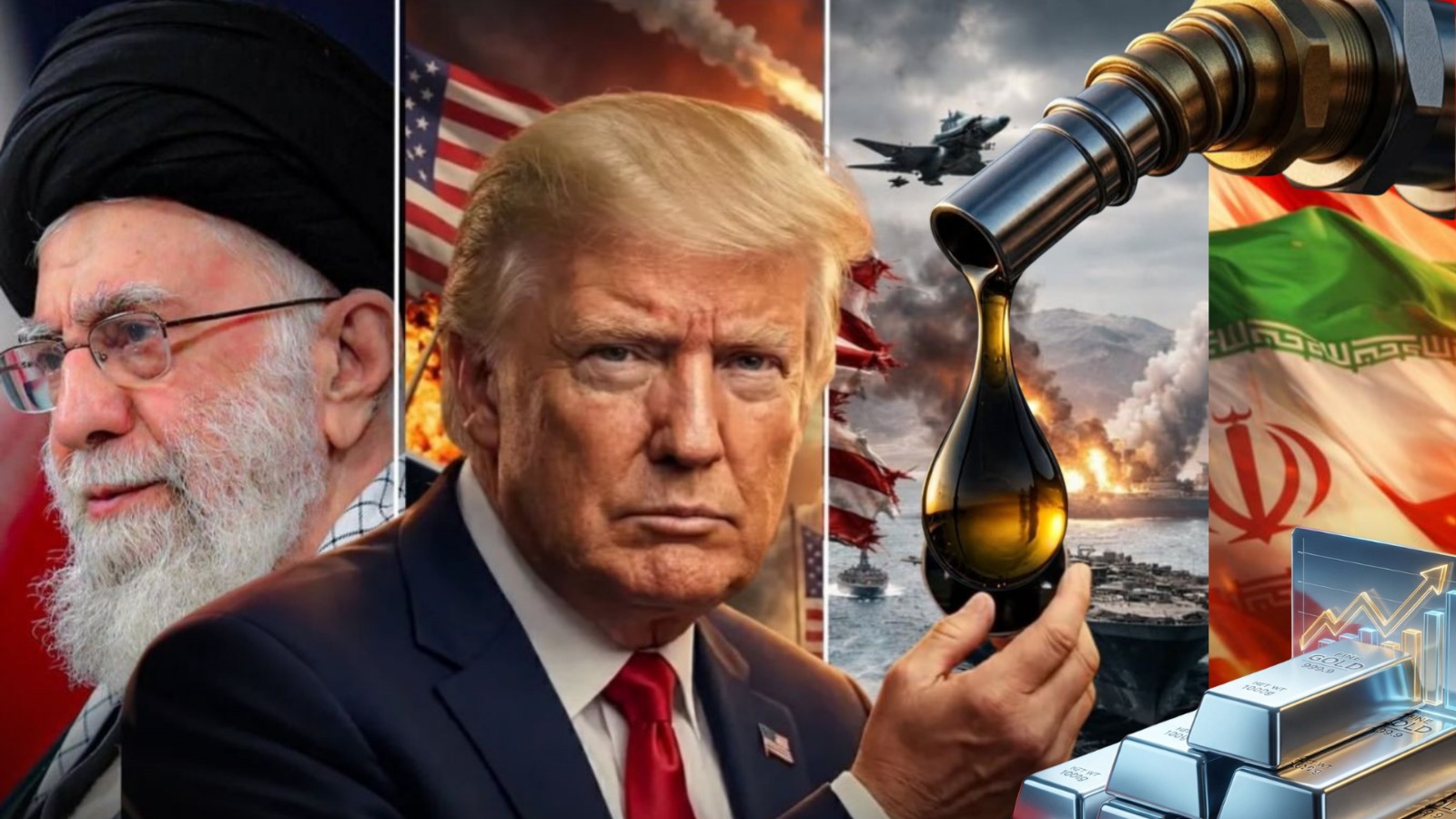
Middle East Tensions Are Back: How Trump’s Actions Are Driving Oil Volatility
The Bigger Picture
What makes the current moment significant is the combination of military escalation and political clarity from the U.S. side. Trump is not signaling a desire for prolonged war, but he is also not offering Iran an easy off-ramp. By notifying Congress and publicly declaring the ceasefire over, he has removed ambiguity.
For oil markets, ambiguity is often more dangerous than clarity. Right now, the market knows the ceasefire is finished and that the U.S. is prepared to act. What it does not yet know is how far either side is willing to go in the coming weeks.
That uncertainty is the primary driver of the latest rise in oil volatility.
What Comes Next
The next phase will likely be defined by two things: Iran’s response to Trump’s demands on shipping, and whether the United States follows the War Powers notification with further military action. Any major strike on Iranian targets or a sustained disruption to tanker traffic would likely push oil prices significantly higher. A de-escalation or renewed talks could reverse the recent gains just as quickly.
For now, the message from Washington is clear. The pause is over. Middle East tensions are back, and oil markets are once again pricing in the risk that comes with them. join ANC Trading community