
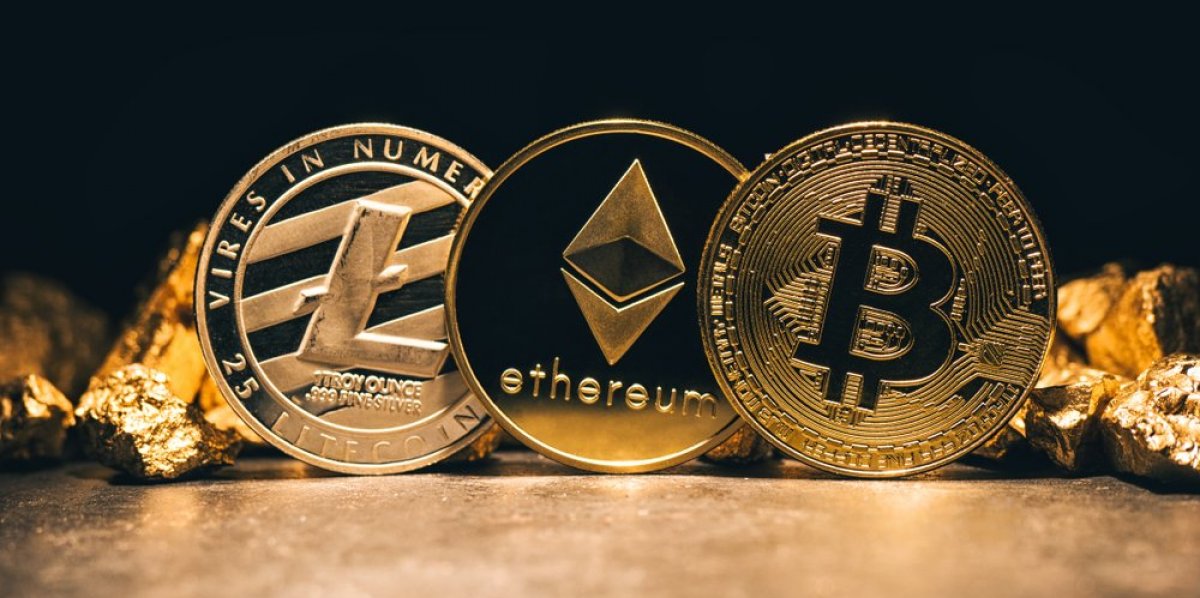

In recent times, Dogecoin (the cryptocurrency that started as a joke) has gradually risen to prominence. Last month, the meme coin was among the top 3 most-traded crypto assets.
There are several reasons for this rise but crypto enthusiasts often point to Dogecoin’s significantly lower transaction fees, relative to crypto’s ‘Big Two’ (Bitcoin and Ethereum). For instance, Dogecoin (DOGE) has a transaction fee of less than $1, as opposed to Bitcoin with an average transaction fee of more than $15 — a fee that is steadily increasing.
While Dogecoin’s transaction fees may be lower than Bitcoin’s and Ethereum’s, they’re considerably higher ($0.74 as of June 8) than other popular cryptos.
The following seven popular digital currencies offer significantly cheaper transaction fees than Dogecoin. Plus, they are also more efficient.
7 popular cryptocurrencies with lower transaction fees than Dogecoin
1. Ripple (XRP)

Ripple is a blockchain-based digital payment network and protocol with its own cryptocurrency, XRP. Transactions on Ripple use less energy, are confirmed in seconds, and cost very little. The average transaction on Ripple takes approximately 3 to 5 seconds to validate and settle. According to BitInfoCharts, such transactions cost $0.00265, a fee lower than Dogecoin.
2. Stellar (XLM)
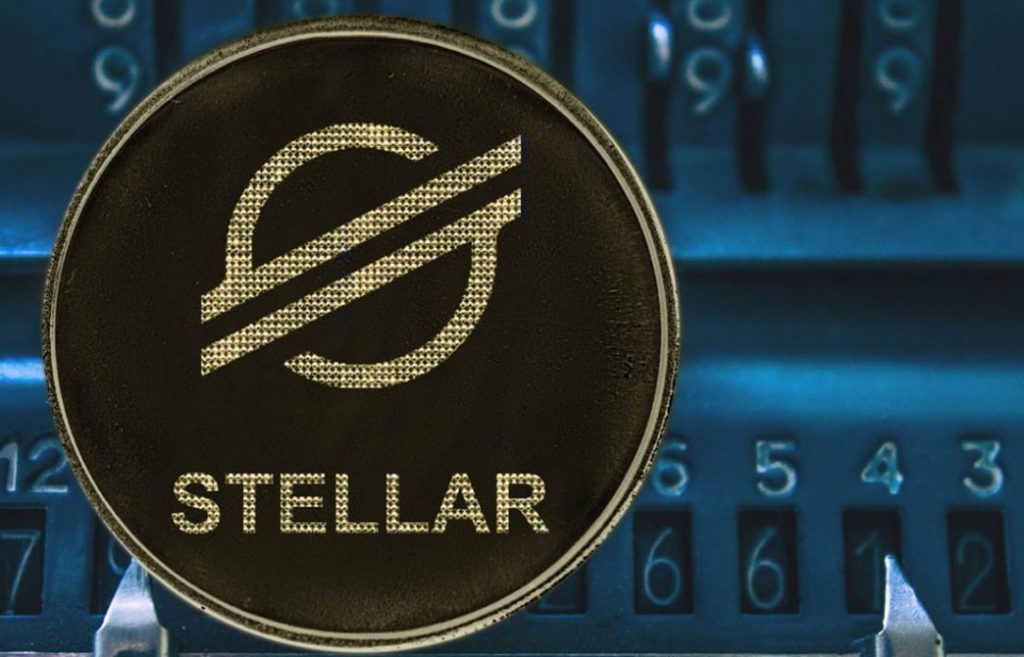
Despite Dogecoin’s prominence, Stellar’s blockchain still easily undercuts and outperforms the meme coin. While Dogecoin takes closer to 20 minutes to verify and settle payments, it only takes a few seconds for payments made on Stellar to be verified and settled. The best part, the average fee on Lumen, Stellar’s token, costs about $0.000004 per transaction.
Stellar’s developers have also claimed the under-the-radar cryptocurrency can handle up to 3,000 transactions per second. If these claims are true, Stellar could become a medium of payments in the future.
3. Ethereum Classic (ETC)

Even though it encountered many challenges over the past few years, Ethereum Classic has had a bounce-back in recent times and is going head-on with Dogecoin. Ethereum Classic can handle 15 transactions per second with a transaction fee of less than $0.00749 as of June 8. Its ability to complete most transactions in the neighborhood of 5 to 7 ½ minutes makes the altcoin quicker than Dogecoin.
4. Nano (NANO)

Across cryptocurrency circles, Nano is unique. As no one who is in crypto will be surprised to hear, Nano has no transaction fees. Yes! It’s a crypto with zero fees. Yet, Nano is able to validate and complete transactions in under a second. Going by this speed, it means more than 1,000 transactions can be completed on Nano before a single Dogecoin transaction is ever confirmed.
5. Monero (XMR)

Monero thrives on its security that makes it impossible for an outsider to know who sent a payment. Beyond security, the privacy coin also offers lower transaction fees than Dogecoin. The average transaction on Monero’s blockchain costs $0.059, 92% lower than a typical transaction fee on Dogecoin.
6. Cardano (ADA)

In recent times, Cardono has released several upgrades aimed at boosting its average daily transactions. The ultra-popular crypto has also shown to outperform Dogecoin. Cardano can verify and settle transactions faster and its average transaction fee equates to about 0.16 to 0.17 ADA (Cardano’s token), a lot cheaper than Dogecoin.
7. Litecoin (LTC)

Despite being backed by celebrity support led by Tesla CEO Elon Musk, Dogecoin is far less superior to Litecoin in terms of efficiency and speed. On average, a typical transaction on Litecoin settles in 2 ½ minutes–that’s one-eighth of the time for Dogecoin at a transaction fee of $0.0075.