


As more consumers gear up towards this year’s Black Friday shopping, sales by various retailers are projected to surge. With the economy slowly reopening from the shadows of the pandemic, United Kingdom consumers are also expected to spend more.
Data from Finbold shows that United Kingdom Black Friday 2021 sales are projected to grow 21.7% on a year-over-year basis from £2.78 billion to £3.39 billion. Despite the impact of the coronavirus pandemic, sales increased 10.1% between 2019 and 2020 from £2.53 billion to £2.78 billion.
Elsewhere, this year, Brits are expected to spend a total of £3.38 million per minute during the Black Friday shopping weekend. They are projected to spend £1.82 million per minute on offline shopping while the rest goes to online platforms, according to a Vouchercodes.co.uk report.
Reopening economy to influence increased Black Friday sales
The projected rise in 2021 sales reflects the impact of the reopening economy that was heavily hit by the coronavirus pandemic.
The reopening has been aided by the rollout of vaccines in the UK and the lifting of restrictions like the lockdown.
Notably, during the last Black Friday, high market volatility and supply chain disruption impacted shopping. However, the economy is showing signs of recovery with projections pointing to a solid growth that potentially spells good fortunes for businesses.
Also Read: Inflation Risks Poised to Increasingly Rattle Markets Until the End of 2021
What’s more, consumers could also not spend more in the past year due to the high unemployment rate. However, restrictions have since been eased, an aspect that will likely reflect on the Black Friday sales.
Sales growth will also reap from the online shopping growth that was directly influenced by the pandemic as customers shifted to e-commerce platforms due to the lockdown.
However, despite the growth of online shopping, a significant number of shoppers will likely prefer an in-person shopping experience which works well for consumers intending to try out products like clothes and view products before purchasing them.
There is also a likelihood of increased demand for various products. Therefore, retailers should be prepared to meet the demand, meaning they have to put aside the challenges like supply chain disruption, a shortage of drivers, Brexit complications, and price inflation.
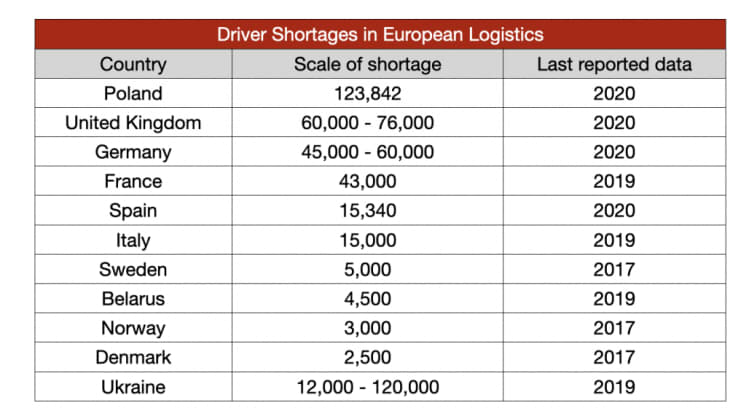
Transport Intelligence
The demand might also surge further, considering that Black Friday will usher in the holiday shopping rush.
Christmas spending during Black Friday likely to influence spending & sales
At the same time, the unclear supply chain constraints might force consumers to shop for Christmas during the Black Friday weekend. This possibility makes it essential for retailers to target shoppers earlier with both in-store and online promotions.
Retails might use approaches like enhancing their digital shopping experience, complimenting in-store discounting through Click and Collect alongside next-day delivery.
The high spending per minute might be a result of the ability of retailers to have formidable digital platforms. Online sites are assumed to be operating 24 hours a day, giving consumers more time to shop since online sales are spread over more hours of operation than offline sales.
The changing nature of Black Friday shopping is also influencing sales and spending.
In recent years, retailers have increasingly been spreading the Black Friday deals over a long period. Previously, Black Friday deals were only confined to an average of two days.
In general, the retailer will determine the shopping session’s start and end date depending on their motivation to maximize sales.