


The global financial markets, a sprawling network of interconnected trading hubs, offer a dynamic landscape for seasoned and aspiring traders. From the initial chimes of the London market opening, echoing across continents, to the final close in Sydney, traders navigate a complex interplay of time zones, economic data releases, and market volatility. Understanding this intricate dance is crucial for success.
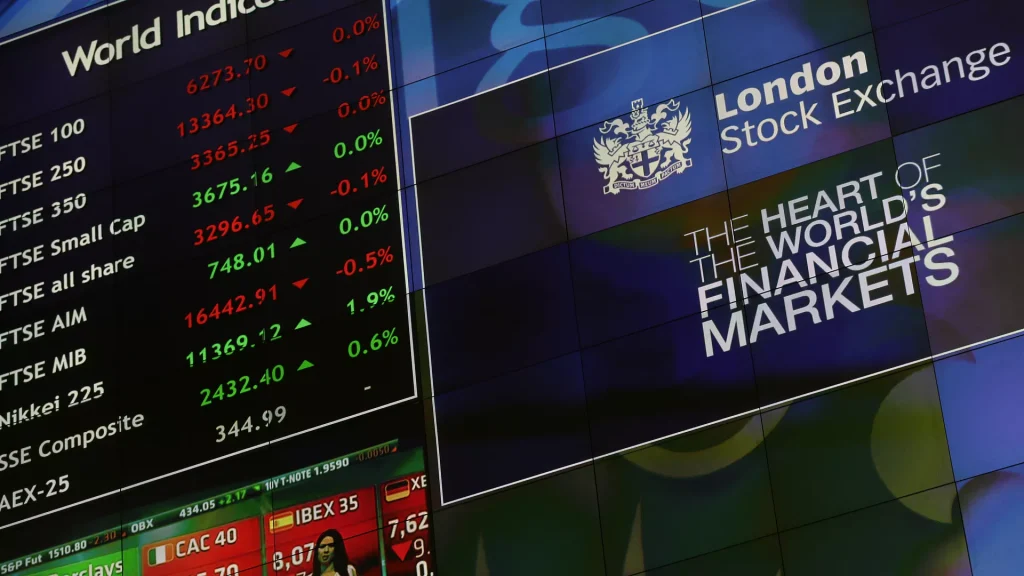
The London Symphony (GMT): The European trading day often sets the tone for the global market. The opening in London sees a flurry of activity as traders react to news from Europe and the preceding overnight action in Asia. This initial momentum often dictates the initial direction for the day, affecting everything from equity prices to currency exchange rates. London-based traders, often utilizing news feeds and algorithmic trading tools, position themselves based on initial price action and forecasts.
The New York Overture (EST): As London winds down, the New York market takes center stage. The opening in New York is significantly influenced by the European close. North American traders are acutely attuned to American economic data points, such as jobs reports, inflation data, and interest rate decisions. The sheer volume of trading activity in the New York session, often the largest in the world, can cause substantial price fluctuations. This period is characterized by substantial market volatility as traders react to news and overnight movements.
The Asian Crescendo (GMT+8/+9): The Asian markets, especially Tokyo and Hong Kong, often follow the New York session, playing a crucial role in the global market’s overall trajectory. Asian traders react to news from North America, Europe, and their own regional economies. This often leads to considerable price fluctuations as global forces collide in the Asian markets. The different trading styles and strategies amongst Asian traders further fuel volatility, adding complexity to the overall market sentiment.

The Sydney Finale (GMT+10): The Australian markets, opening later than Tokyo and New York, act as a final checkpoint for traders looking to close positions or adjust based on the entire day’s movements. Sydney traders also need to factor in the potential for any significant market moves from other regions to provide support or resistance for asset prices as the day ends.
High volatility is inherent in global trading, and as such, Traders must
Aware of time Zone: Having a firm grasp of different time zones is paramount. Understanding the influence of news releases and economic events in specific time zones is essential for forming informed trading strategies.
Data Dependency: Accessing real-time news and economic data across different time zones is critical to staying ahead. Utilizing advanced trading platforms with diverse global feeds is crucial.
Adaptability and Risk Management: Volatility requires adaptability. Traders must adjust their positions based on market fluctuations throughout the day and across various time zones. Strict risk management protocols are vital when volatility spikes, especially in the overlapping trading periods.
Cross-Cultural Understanding: Developing a nuanced understanding of global market sentiments, including cultural and economic factors, can provide additional insight into the dynamics of price action.
Trading Platform Proficiency: Employing trading platforms capable of handling cross-time zone trades is crucial for efficient execution and minimizing latency.
Successfully navigating this complex global trading landscape requires a deep understanding of market dynamics, diligent risk management, and a keen awareness of the unique influences at play in each time zone.