

The crypto industry is entering a new era — one defined by regulation, transparency, and accountability. After years of rapid growth and occasional chaos, governments around the world are tightening compliance rules for crypto exchanges. These new regulations are restructuring how exchanges operate, how brokers manage digital assets, and how investors trade in the global crypto market. The age of unregulated crypto is over.
Why Crypto Regulation is Important
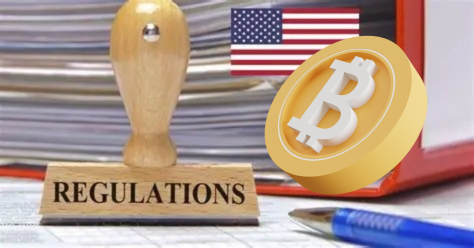
For years, the crypto market was known for its freedom, fast transactions, minimal oversight, and global accessibility. But that freedom also came with risks: scams, hacks, and money laundering concerns. Now, regulators are stepping in to bring structure and trust to the industry. The goal isn’t to kill innovation but to make crypto safer for everyone from retail traders to institutional investors. Countries like the United States, United Kingdom, Singapore, and the European Union have introduced new frameworks that require exchanges to follow strict compliance standards similar to traditional financial institutions.
Key Crypto Regulation Changes Presently
Here are the major updates structuring the crypto landscape
- Stronger KYC and AML Requirements: Exchanges must now verify user identities more thoroughly under Know Your Customer (KYC) and Anti-Money Laundering (AML) laws. This means stricter onboarding processes, identity checks, and transaction monitoring.
- Licensing and Registration: Many countries now require crypto exchanges to obtain official licenses before operating. This ensures that only compliant and transparent platforms can serve customers.
- Proof of Reserves (PoR) Audits: After several exchange collapses in previous years, regulators now demand Proof of Reserves independent audits showing that exchanges actually hold the assets they claim.
- Tax Reporting and Transparency: Exchanges must report user transactions to tax authorities, similar to how banks report financial activity. This helps governments track crypto income and prevent tax evasion.
- Stablecoin Oversight: With stablecoins like USDC and PYUSD becoming mainstream, regulators are enforcing new rules to ensure these digital currencies are fully backed and transparent.
- Cross-Border Compliance: Global coordination is improving. Exchanges must now comply with international standards set by organizations like the Financial Action Task Force (FATF) to prevent illicit cross-border transfers.
How These Rules Are Impacting Crypto Exchanges
- Higher Operational Costs: Exchanges are investing heavily in compliance teams, legal advisors, and advanced monitoring tools to meet new standards.
- Improved Security and Trust: Stricter rules mean safer platforms. Investors now have more confidence knowing their funds are protected by regulated systems.
- Fewer Unlicensed Players: Smaller or non-compliant exchanges are shutting down or merging with licensed ones. This is cleaning up the market and reducing fraud.
- Institutional Adoption: With clearer regulations, more banks, hedge funds, and brokers are entering the crypto space. Compliance is making crypto more attractive to traditional finance.
- Innovation in Compliance Tech: Exchanges are adopting AI-driven compliance tools to automate KYC, detect suspicious activity, and ensure real-time reporting.
For brokers and traders, these changes bring both challenges and opportunities.
– For Brokers: They can now partner with regulated exchanges to offer crypto trading safely.
– Compliance integration helps build trust with clients and regulators.
– Transparent operations attract institutional investors looking for secure digital asset exposure.
– For Traders: Trading on regulated platforms means better protection against fraud and manipulation.
– However, stricter KYC processes may reduce anonymity and increase documentation requirements.
– The market is becoming more stable, reducing extreme volatility caused by unregulated activities.
Global Examples of Regulatory Progress
- United States: The SEC and CFTC are enforcing clearer definitions for crypto assets, separating securities from commodities.
- European Union: The MiCA (Markets in Crypto-Assets) regulation is now live, setting unified rules for all EU member states.
- United Kingdom: The FCA has introduced new licensing requirements and advertising standards for crypto firms.
- Asia: Singapore and Japan continue to lead with balanced frameworks that encourage innovation while ensuring compliance. These efforts are creating a more consistent global standard, making it easier for exchanges to operate across borders.
Crypto Regulation as a Growth Catalyst
While some in the crypto community fear regulation, the truth is that compliance is fueling long-term growth. Regulation brings.
– Legitimacy: It helps crypto gain recognition as a serious asset class.
– Investor Confidence: More people are willing to invest when they know their funds are protected.
– Institutional Entry: Banks and funds can now participate safely, bringing more liquidity to the market.
– Innovation: Clear rules encourage responsible innovation in blockchain, DeFi, and tokenized assets
In short, regulation is not the end of crypto freedom, it’s the beginning of crypto maturity.
Despite progress, the road to full compliance isn’t easy.
- Regulatory Fragmentation: Different countries still have different rules, making global operations complex.
- Privacy Concerns: Stricter KYC rules may conflict with crypto’s original goal of decentralization.
- Implementation Costs: Smaller exchanges may struggle to afford compliance infrastructure.
However, as the industry adapts, these challenges are being addressed through collaboration between regulators, exchanges, and fintech innovators.
In Summary
The new wave of crypto regulation currently is transforming the industry from the ground up. Exchanges are becoming more transparent, brokers are gaining trust, and investors are trading with greater confidence. This transformation marks a turning point from speculation to structure
The future of crypto isn’t just digital: it’s regulated, responsible, and ready for the mainstream.