
Skip to content
On this page

Categories Business, Education

The Impact of Geopolitical Tensions on Commodity and Currency Markets

Written By
Nwachiyagoziri
Geopolitical tension impact
Geopolitical tensions have become one of the biggest forces shaping both commodity prices and currency markets. The wars and trade disputes to sanctions and political instability, every global event now sends ripples through oil, gold, and foreign exchange markets. These tensions don’t just affect governments or big corporations; they influence everything from fuel prices at the pump to the cost of imported goods. Let’s break down how and why this happens in simple terms.

How Geopolitical Tensions Affect Commodity Markets
Commodities like oil, gas, gold, wheat, and metals are the backbone of global trade. When political or military conflicts arise, these markets react almost instantly.
1. Oil and Energy Prices Surge
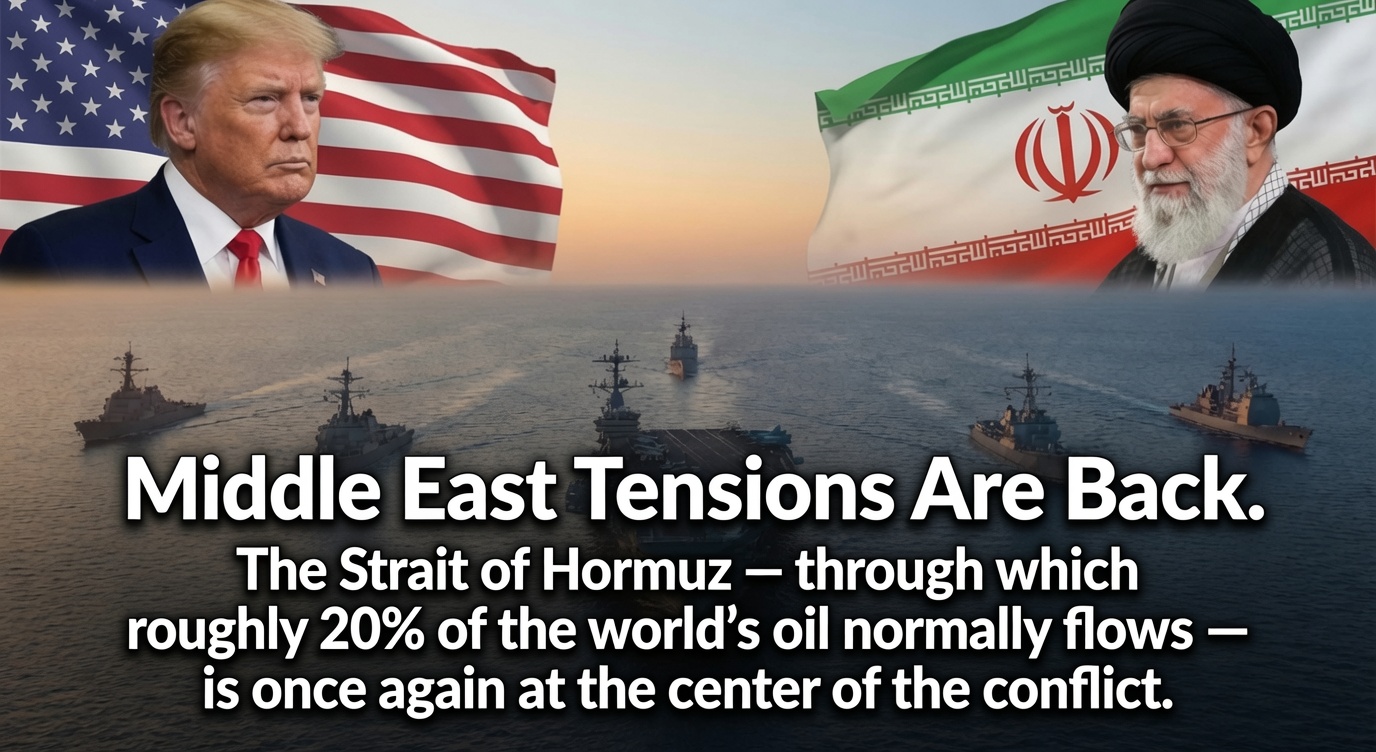
Oil is often the first commodity to feel the heat. When conflicts break out in major oil-producing regions like the Middle East or Eastern Europe, investors fear supply disruptions. This fear alone can push crude oil prices higher, even before production is affected. For example, the Russia-Ukraine conflict caused massive spikes in oil and natural gas prices because Russia is one of the world’s largest energy exporters. Similarly, tensions in the Red Sea or Iranian Gulf can disrupt shipping routes, driving up global energy costs.
2. Gold Becomes a Safe Haven
When uncertainty rises, investors rush to safe-haven assets like gold. Gold prices often climb during wars, sanctions, or political instability because it’s seen as a stable store of value. In 2024 and 2025, gold prices have remained strong as investors hedge against inflation, currency volatility, and ongoing geopolitical risks.
3. Agricultural and Metal Markets React
Geopolitical tensions can also disrupt agricultural exports and metal supplies. For instance, conflicts in grain-producing regions like Ukraine or sanctions on countries like Russia can limit global wheat and fertilizer exports, pushing food prices higher. Similarly, metals like nickel, copper, and aluminum essential for manufacturing and renewable energy often see price swings when supply chains are threatened.
Geopolitical tension impact

How Geopolitical Tensions Influence Currency Markets

Currency markets, or forex markets, are extremely sensitive to global events. When tensions rise, investors move their money to safer currencies, causing sharp fluctuations in exchange rates.

• The U.S. Dollar Gains Strength

During global uncertainty, the U.S. dollar (USD) usually strengthens because it’s considered the world’s most stable currency. Investors sell riskier currencies and buy dollars, leading to a stronger USD. However, a stronger dollar can make commodities priced in dollars like oil and gold more expensive for other countries, creating a ripple effect across global trade.

• Emerging Market Currencies Fall
Countries with weaker economies or heavy reliance on imports often see their currencies drop during geopolitical crises. Investors pull out of these markets to avoid risk, leading to currency depreciation and inflation. For example, during the Russia-Ukraine war, currencies like the Turkish lira, South African rand, and Indian rupee faced pressure due to rising oil prices and investor caution.
• Central Banks Step In
When currency volatility becomes too high, central banks often intervene. They may raise interest rates to stabilize their currencies or use foreign reserves to manage exchange rates. These actions can temporarily calm markets but also slow down economic growth.

• The Domino Effect on Global Trade and Inflation

Geopolitical tensions don’t just move markets; they reshape economies. Higher commodity prices lead to rising inflation, which forces central banks to tighten monetary policy. This, in turn, affects borrowing costs, investment, and consumer spending. When oil prices rise due to conflict, transportation and manufacturing costs increase. This pushes up the prices of everyday goods, from groceries to electronics. At the same time, volatile currency markets make international trade more unpredictable. Exporters and importers struggle to plan ahead when exchange rates swing wildly.
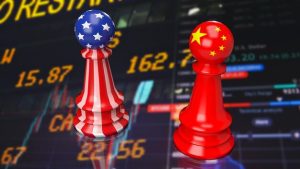
Geopolitical tensions

What Investors and Businesses Can Do

While no one can predict geopolitical events, there are ways to manage the risks:
  • Diversify investments across different asset classes and regions.
  • Monitor commodity trends closely, especially oil and gold.
  • Use hedging strategies to protect against currency fluctuations.
  • Stay informed about global political developments that could impact supply chains or trade routes.

Summing up

The impact of geopolitical tensions on commodity and currency markets is undeniable. Every conflict, sanction, or diplomatic standoff sends shockwaves through global finance. The world is becoming more interconnected, these effects spread faster and hit harder. For investors, businesses, and policymakers, understanding this relationship is no longer optional, it’s essential. In the end, markets don’t just react to numbers; they react to uncertainty. And in times of tension, that uncertainty becomes the most powerful market mover of all. Click here to visit our website

Subscribe to our blog for more trading insights, expert analysis, market updates and strategies – join our telegram community today!

Author

What do you think?

How helpful was this article?

Related Articles