

Elections have always had a powerful impact on financial markets. In recent times, with several major economies heading to the polls, investors around the world are watching closely. Political decisions influence everything from interest rates and trade policies to taxes and global partnerships. This year, the ripple effect of global elections is already shaping investor confidence, market sentiment, and investment strategies.
⇒This article breaks down how upcoming elections are influencing the finance world, what investors are doing to stay prepared, and how small investors can navigate the uncertainty with confidence.
1. Why Elections Matter to the Financial Market
Elections bring change and markets react to change. Investors pay close attention to political campaigns, policy promises, and leadership transitions because they directly affect economic stability.
When a country faces an election, investors often ask:
- Will the new government support business growth?
- How will taxes, trade, and spending policies change?
- What does this mean for inflation and interest rates?
These questions drive market behavior. Even before results are announced, speculation alone can cause stock prices, currencies, and commodities to move sharply.
2. The 2026 Election Landscape: A Global Overview
This year, several major economies including the United States, the United Kingdom, India, and parts of the European Union are holding elections. Each of these elections carries global significance.
- United States: Investors are watching closely to see how fiscal policies, corporate taxes, and trade relations might shift depending on the election outcome.
- United Kingdom: Post-Brexit economic strategies and energy policies are key topics shaping investor sentiment.
- India: With its fast-growing economy, India’s election could influence emerging market investments and global supply chains.
- European Union: Political unity, green energy policies, and digital transformation are central to investor confidence in the region.
The combined effect of these elections is creating a wave of cautious optimism; investors are hopeful but careful.

3. Market Sentiment: Balancing Hope and Uncertainty
Investor confidence in 2026 is being tested by political uncertainty. Markets prefer stability, and elections naturally bring unpredictability. However, not all uncertainty is bad. When investors expect pro-business policies or economic reforms, markets often rally. On the other hand, if policies seem unclear or risky, investors may pull back temporarily. This year, global markets are showing mixed signals, some sectors are thriving while others are slowing down. Technology, renewable energy, and infrastructure remain strong, while traditional sectors like oil and manufacturing are more cautious.
4. How Investors Are Adjusting Their Strategies
Smart investors are not waiting for election results to act. Instead, they are adjusting their portfolios to manage risk and capture opportunities.
Here’s how many are responding:
- Diversifying portfolios: Spreading investments across different countries and industries to reduce exposure to political risk.
- Holding more cash or bonds: Keeping liquidity to take advantage of post-election opportunities.
- Investing in defensive sectors: Healthcare, utilities, and consumer staples often perform well during uncertain times.
- Watching currency trends: Elections can cause currency fluctuations, so investors are hedging against potential losses.
These strategies help investors stay flexible and protect their wealth while waiting for political clarity.
5. The Role of Media and Public Sentiment
In this era, news spreads fast and so does market reaction. Social media, financial news outlets, and online discussions can amplify investor emotions. Positive headlines about economic growth or policy stability can boost confidence, while rumors or political tension can trigger panic selling. That’s why it’s important for investors to rely on credible sources and avoid making emotional decisions based on trending news.
6. What Small Investors Should Do
For small investors, election seasons can feel overwhelming. But with the right mindset and strategy, it’s possible to stay safe and even benefit from market shifts.
Here are simple steps to follow:
- Stay informed but calm: Follow reliable financial updates without reacting to every headline.
- Focus on long-term goals: Elections come and go, but long-term investments grow over time.
- Avoid panic selling: Market dips during elections are often temporary.
- Diversify smartly: Mix stocks, bonds, and other assets to balance risk.
- Seek professional advice: A financial advisor can help tailor strategies to personal goals.
By staying disciplined, small investors can turn election uncertainty into opportunity.
7. The Bigger Picture: Politics and Global Growth
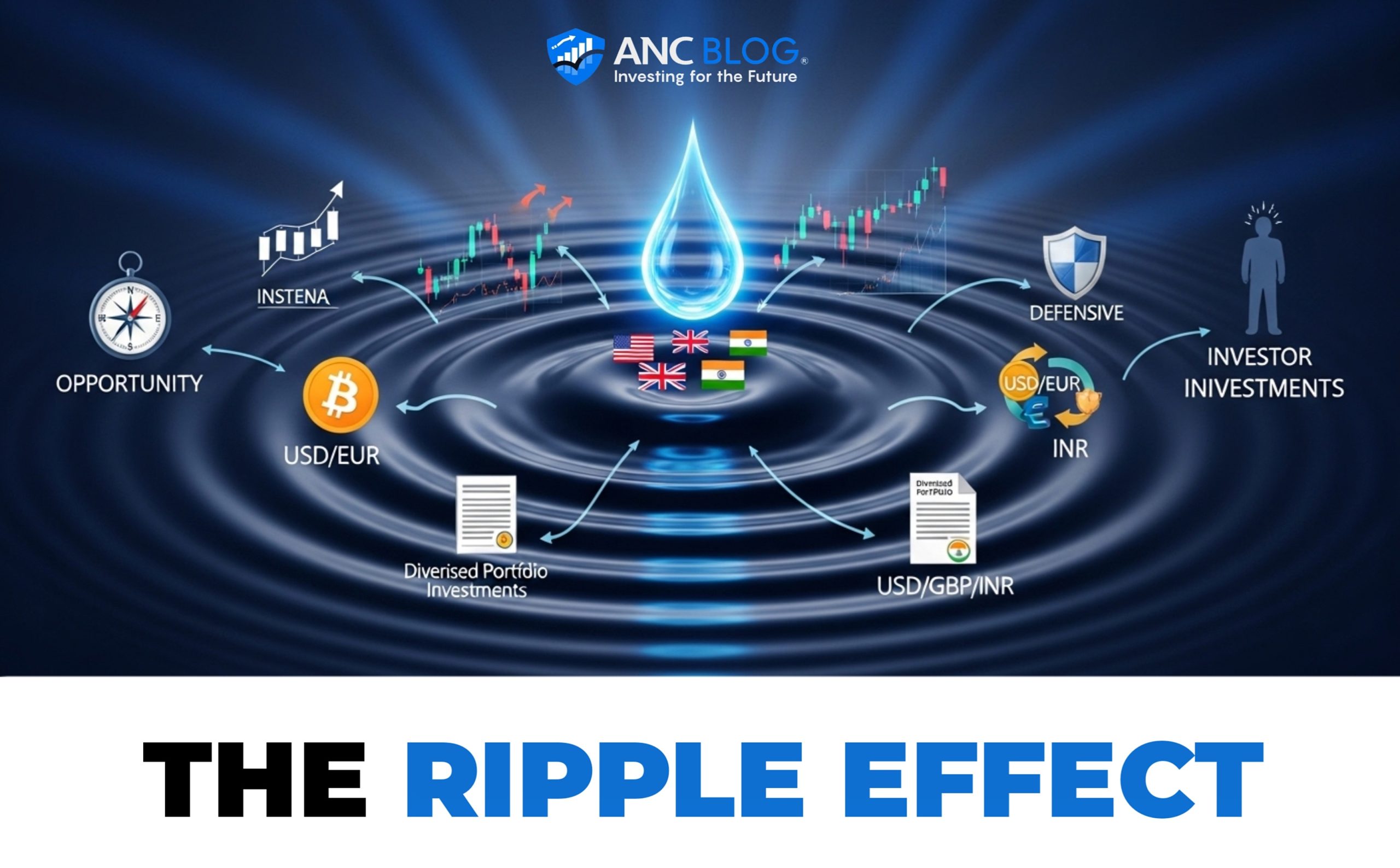
Elections don’t just affect individual countries, they shape global trade, investment flows, and economic partnerships. The world is more connected than ever. A policy change in one country can influence markets across continents. For example, a shift in U.S trade policy could impact Asian exports, European manufacturing, and global commodity prices. Similarly, new green energy policies in Europe could bowable investments worldwide.
This interconnectedness means investors must think globally, not just locally.
8. Looking Ahead: What to Expect After the Election
Once the elections conclude, markets usually stabilize. Investors will shift focus from speculation to actual policy implementation. If new governments deliver on economic promises, confidence will rise, and markets could see strong growth. However, if uncertainty continues or policies disappoint, short-term volatility may persist. Either way, experienced investors know that patience and preparation always pay off.
Conclusion
The ripple effect of global election is undeniable. Political decisions are shaping investor confidence, influencing market sentiment, and redefining investment strategies worldwide. While uncertainty is part of the process, it also brings opportunity. Investors who stay informed, diversified, and patient can navigate this election season successfully. In the end, markets may fluctuate, but smart strategies and long-term thinking remain the strongest tools for building sustainable wealth no matter who wins the election.