
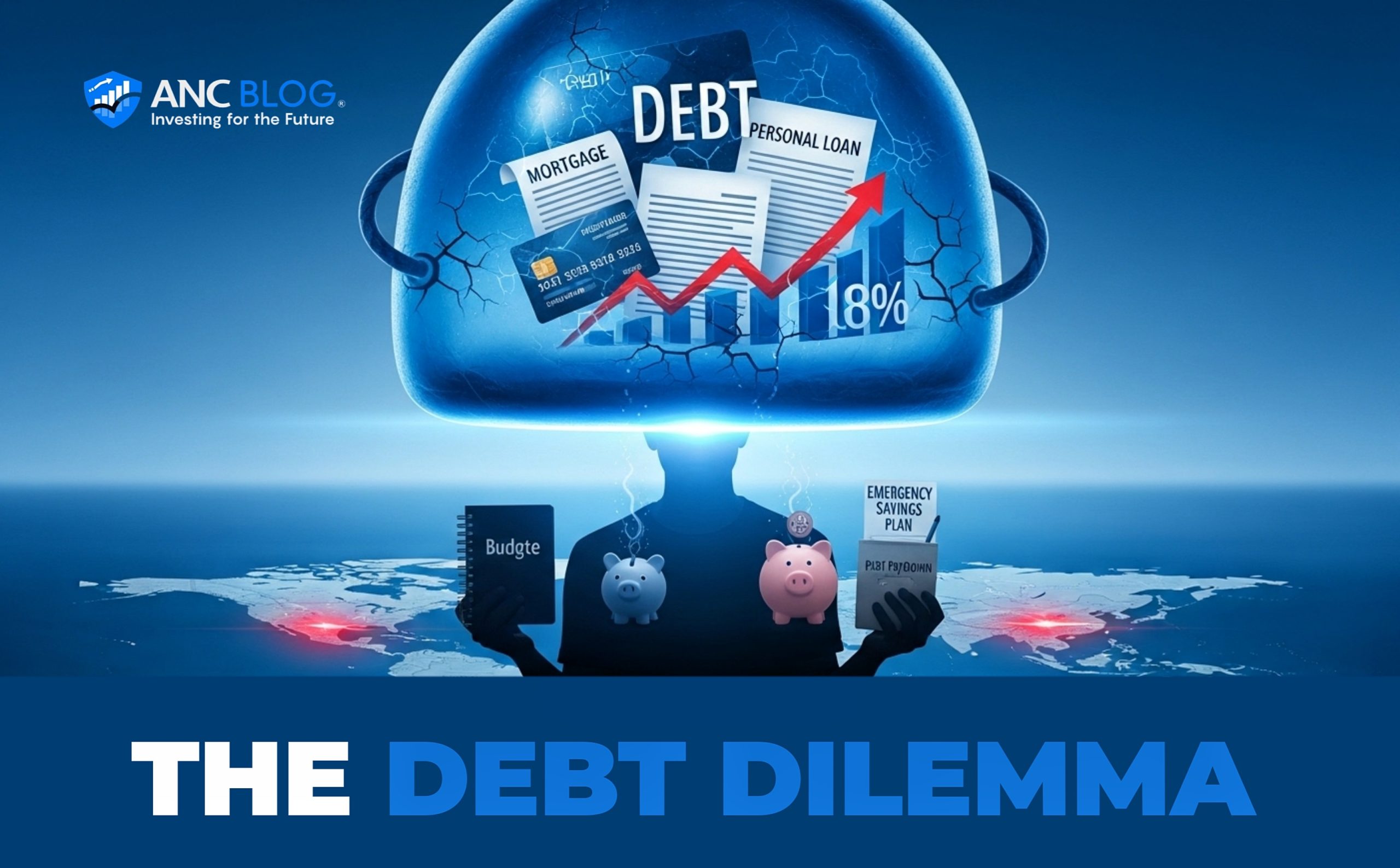


Debt has become a normal part of modern life. From credit cards and student loans to car payments and mortgages, borrowing helps people manage daily expenses and achieve long-term goals. However, in 2026, rising consumer debt is becoming a serious concern for the global economy. As households borrow more to keep up with inflation and higher living costs, economists are warning that this growing debt burden could slow down spending, weaken growth, and increase financial risks worldwide. Open a capital account
This blog breaks down what’s happening, why it matters, and how rising consumer debt could shape the future of the global economy
1. Understanding the Consumer Debt Boom
Consumer debt refers to the money individuals owe for personal expenses including credit cards, personal loans, mortgages, and student loans. Over the past few years, global household debt has reached record highs.
Several factors are driving this increase:
- Inflation: Prices for food, housing, and energy have risen faster than wages.
- Higher interest rates: Borrowing costs have increased, making debt more expensive to manage.
- Lifestyle spending: Easy access to credit and digital payment options encourages more spending.
- Economic uncertainty: Many households rely on credit to cover emergencies or maintain their standard of living.
While borrowing can help in the short term, too much debt can create long-term financial pressure, both for families and the economy.
2. How Rising Debt Affects Everyday People
When debt levels rise, households spend more of their income on repayments and less on goods and services. This shift affects everything from shopping habits to housing decisions.
For example:
- Families may cut back on vacations, dining out, or entertainment.
- Homebuyers may delay purchasing property due to high mortgage rates.
- Young adults may postpone major life goals like marriage or starting a business.
As personal budgets tighten, overall consumer spending, a major driver of economic growth begins to slow down.
3. The Global Ripple Effect
Consumer spending makes up a large portion of most economies. When people spend less, businesses earn less, and growth slows. This creates a ripple effect across industries and borders.
- Retail and service sectors see reduced demand.
- Banks and lenders face higher risks of loan defaults.
- Governments may collect less tax revenue, limiting public investment.
- Global trade can weaken as demand for imported goods declines.
In short, rising consumer debt doesn’t just affect individuals, it can influence the entire global financial system. Open a capital account
4. The Role of Interest Rates and Inflation
Interest rates and inflation play a major role in the debt dilemma. When inflation rises, central banks often increase interest rates to control it. But higher rates make borrowing more expensive.
This means:
- Credit card balances grow faster due to higher interest charges.
- Mortgage payments increase for variable-rate loans.
- Businesses face higher financing costs, which can lead to layoffs or slower expansion.
As a result, both consumers and companies feel the pressure, creating a cycle that can slow economic recovery.
5. How Governments and Banks Are Responding
Governments and financial institutions are aware of the growing debt problem and are taking steps to manage it.
- Central banks are carefully adjusting interest rates to balance inflation control with economic growth.
- Governments are introducing financial literacy programs to help citizens manage debt better.
- Banks are offering flexible repayment plans and debt consolidation options.
However, these measures take time to show results. The key challenge is finding a balance between supporting growth and preventing excessive borrowing.
6. The Human Side of the Debt Crisis
Behind every statistic is a real story. Rising debt affects mental health, family stability, and overall well-being. Many people feel trapped by their financial obligations, leading to stress and anxiety. Communities are also feeling the impact. Local businesses struggle when customers cut back, and social inequality widens as lower-income households face higher debt burdens. This human side of the debt dilemma reminds us that financial stability isn’t just about numbers, it’s people’s lives.
7. What Individuals Can Do to Stay Financially Healthy
While global debt trends may seem beyond personal control, individuals can take practical steps to protect themselves:
- Create a budget: Track income and expenses to avoid overspending.
- Pay down high-interest debt first: Focus on credit cards and personal loans.
- Build an emergency fund: Save at least three to six months of expenses.
- Avoid unnecessary borrowing: Think twice before taking on new loans.
- Seek financial advice: Professionals can help create a realistic debt management plan.
Small, consistent actions can make a big difference in maintaining financial stability.
8. The Future of Debt and the Global Economy
Looking ahead, economists predict that global debt levels will remain high for the next few years. However, innovation in fintech, digital banking, and financial education could help people manage debt more effectively. If governments, banks, and consumers work together, the world can move toward a more balanced financial future, one where borrowing support growth without creating long-term instability.
Summary
The debt dilemma is one of the biggest financial challenges. Rising consumer debt is reshaping economies, influencing spending habits, and testing global financial systems. While debt can be a useful tool, it becomes dangerous when it grows faster than income or productivity. The key is balance; borrowing wisely, spending responsibly, and saving consistently.
In the end, the health of the global economy depends on the financial well-being of everyday people. When households thrive, economies grow stronger. Managing debt wisely is not just a personal goal, it’s a global necessity. Join our telegram channel.