

Picture this: you’ve got your trading strategies down, and you know your support from your resistance, but there’s something more to unlock the ultimate trading success—timing. So, why is timing so crucial in Forex trading, you ask?
Well, the Forex market is like a bustling bazaar filled with traders from all corners of the globe, and its mood can change faster than a chameleon on a rainbow. The flow of money is constantly influenced by economic events, geopolitical shenanigans, and even the weather (okay, maybe not the weather, but you get the point).
In this article, we’ll explore which months sizzle with market volatility and when the action takes a siesta. You’ll learn how to navigate the different days of the week, where liquidity dances with price movements. We’ll even take a globe-trotting journey through the Asian, European, and North American trading sessions to uncover the most profitable times to seize the opportunities.
Oh, and it’s not just about dates and clocks. We’ll also dive into seasonal trends, the impact of holidays, and other juicy factors that can sway the currency markets.
The Best Months for Forex Trading
Alright, let’s talk about the juiciest part of the Forex calendar—those months when the market comes alive like a party you don’t want to miss.
Imagine the Forex market as a roller coaster ride; some months are like a leisurely stroll through the park, while others give you the thrill of a lifetime. These high-volatility months are where the action happens, presenting traders with abundant opportunities.
Keep an eye on months that coincide with major economic events, central bank meetings, and geopolitical dramas—those are the ones that can make your heart race and your trading account do the happy dance.
Economic data releases are like fireworks in the Forex world, lighting up the charts and setting off chain reactions. Certain months host a flurry of economic indicators, such as employment reports, GDP figures, and inflation rates. When these numbers hit the wires, markets can experience wild swings, and traders get a front-row seat to potential profits or peril. Stay sharp and watch out for these red-letter days on the economic calendar.
History loves to leave us clues, and the Forex market is no exception. Digging into historical data can reveal fascinating insights into how currency pairs have behaved in the past during specific months. You might spot recurring patterns or tendencies that can help you make more informed trading decisions. Remember, the past doesn’t dictate the future, but it can give us some intriguing hints.
Ideal Days to Trade Forex
Choosing the perfect day to trade is like finding the sweet spot for your favorite shot in a game of pool.
Truth is, each day brings its own flavor to the Forex feast. Mondays might be a bit sluggish as traders shake off their weekend blues, but as the week unfolds, so does the excitement. Tuesdays and Wednesdays often witness increased trading activity, as market participants start to roll up their sleeves. Thursdays can be a real contender too, setting the stage for significant moves. And then there’s Friday, where traders may get an early start on their weekend plans, leading to lower liquidity later in the day.
The secret is to find your trading groove and align it with the days that suit your style.
You also need to be aware of liquidity and price movement patterns.
Picture this: more traders at the party mean more dancing on the dance floor. Similarly, higher trading activity usually translates to better liquidity and tighter spreads. Keep an eye on those active days if you prefer faster-paced trading or are keen on avoiding slippage. On the flip side, lower liquidity days might be suitable for certain strategies, offering a bit more tranquility in the storm.
Sometimes, certain currency pairs have their preferred days to shine. It’s like they have a dance partner they love to tango with. By analyzing historical data, you might spot intriguing correlations between specific pairs and days of the week. Keep an eye out for these hidden connections—they could be your secret sauce for better trade selections.
The Most Profitable Times to Trade Forex
The Forex market never sleeps, and it follows the sun around the globe. The action kicks off with the Asian session, where Tokyo, Hong Kong, and Singapore take center stage. As the sun rises in Europe, the London session enters, adding its flair to the market. And when the New York bell rings, the North American session dances into action.
Each session brings its unique vibe, and understanding their characteristics can be a game-changer.

Now, here’s where the real fun begins—the magic of overlapping sessions. Imagine two sessions holding hands, creating a whirlwind of trading opportunities. For example, the overlap between the European and North American sessions can be especially exciting. With traders from both sides of the pond at play, the markets often experience increased volatility and liquidity.
Every trading session comes with its own perks and quirks. The Asian session might be a bit slower, but it can offer smoother trends and potentially fewer fakeouts. The European session has its pulse on major economic news and can witness explosive moves when significant data drops. As for the North American session, it’s known for its strong momentum and potentially vibrant trading conditions. But keep in mind that with more significant moves come greater risks.
Timing your entries and exits during these Forex sessions can elevate your trading game. Whether you prefer the tranquility of Tokyo or the buzz of New York, each session has something special to offer.
Understanding Seasonal Trends in Forex Trading
Just like nature follows a rhythm of seasons, the Forex market exhibits certain seasonal patterns that can’t be ignored.
Traders have observed recurring trends during specific times of the year, and these patterns can significantly influence currency pairs. For instance, certain currencies might showcase stronger performance during specific seasons, while others may show a propensity for consolidation or volatility. Unraveling these patterns can be like finding a treasure map to navigate the Forex terrain.
Holidays and regional events can also cast a spell on the Forex market, impacting the flow of money and the behavior of currency pairs.
As the world celebrates holidays and observes significant events, markets in different countries may close or have reduced trading activity. During such times, volatility may ebb, leading to potentially quieter markets. However, once festivities are over, brace yourself for potential market fireworks as traders jump back into action.
There’s also the economic calendar of events during specific seasons. Certain seasons tend to host a cluster of essential economic events, such as interest rate decisions, employment reports, or trade balance data. These events can set the tone for market sentiment and spark significant movements. Being aware of these critical dates and their potential impact on currency pairs is essential to make well-informed trading decisions.
Adapting Your Trading Strategy to Optimal Timing
So, you’ve got a killer trading strategy that works like a charm, but you’re using it at the wrong time. It’s like trying to surf a wave on a lake—it won’t work!
Understanding when your strategy thrives and aligning it with favorable timing can make all the difference. For instance, during high-volatility periods, breakout or trend-following strategies might shine, while range-bound markets might call for mean reversion strategies. Flexibility and versatility are the keys to mastering the art of timing.
Remember how the markets go through seasons? Well, your trading strategies can do the same. Just like you swap your wardrobe for the weather, adapt your trading style to the market conditions.
During those roller-coaster moments with high volatility, you might want to tighten your stops and be cautious about chasing after trades. In contrast, when the market enters its quieter phases, you might consider scaling back and adopting strategies that thrive in calmer waters.
Risk Management Techniques
As you traverse through different market conditions, remember to keep your risk management game strong. Volatile times may call for smaller position sizes and tighter stops to weather potential storms, while less active periods could warrant adjustments to your risk-to-reward ratio.
By managing your risk prudently, you can protect your capital and ensure that no single trade has the power to capsize your ship.
Factors to Consider Beyond Timing
The world of Forex is a vast ocean, and timing is just one star in the constellation of factors that influence your trading decisions. Let’s explore the other crucial factors beyond timing that shape your Forex odyssey.
Currency Pairs
Just like friendships and relationships, currency pairs can have connections. Understanding the correlation between different currency pairs is like having a glimpse into their dance. Some pairs move in harmony, while others seem to have a love-hate relationship.
By recognizing these correlations, you can avoid overexposure and diversify your trading portfolios wisely. Remember, the power of correlation can impact your risk management and trade execution, so keep an eye on these relationships.
Geopolitical Factors
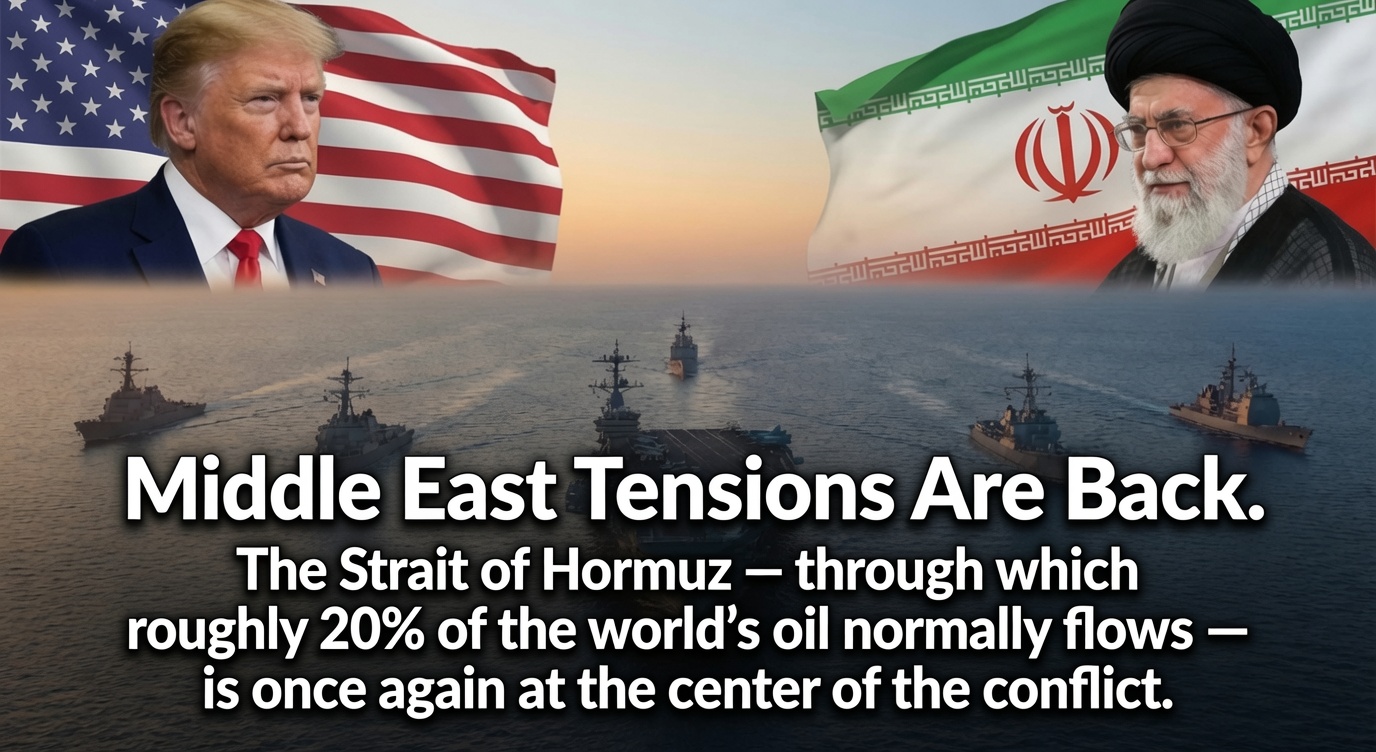
Politics and world events can create ripples in the Forex ocean. Geopolitical factors, such as elections, trade agreements, or conflicts, can send shockwaves through the market, disrupting even the most well-timed trades.
Being aware of these events and their potential consequences can help you brace for impact or even seize opportunities amidst the chaos. Keep your ear to the ground and your eyes on the news to navigate these geopolitical waters.
Technical and Fundamental Analysis
While timing provides you with the when, technical and fundamental analysis gives you the why and how. Combining these two forms of analysis with your well-timed entries can create a potent strategy.
Technical analysis offers insights from charts and patterns, while fundamental analysis dives into the economic, political, and social factors that shape currencies. Together, they form a holistic approach that sharpens your trading edge.
Bottomline
The seas may be ever-changing, but armed with this knowledge, you have the power to navigate through both calm waters and tempestuous storms.
Are you ready to make the most of timing in Forex trading? Dive deeper into the world of Forex with our comprehensive guides and expert insights.