


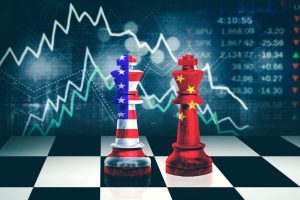
How Geopolitical Tensions Affect Commodity Markets
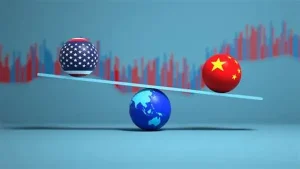
How Geopolitical Tensions Influence Currency Markets
• The U.S. Dollar Gains Strength
During global uncertainty, the U.S. dollar (USD) usually strengthens because it’s considered the world’s most stable currency. Investors sell riskier currencies and buy dollars, leading to a stronger USD. However, a stronger dollar can make commodities priced in dollars like oil and gold more expensive for other countries, creating a ripple effect across global trade.
• The Domino Effect on Global Trade and Inflation
Geopolitical tensions don’t just move markets; they reshape economies. Higher commodity prices lead to rising inflation, which forces central banks to tighten monetary policy. This, in turn, affects borrowing costs, investment, and consumer spending. When oil prices rise due to conflict, transportation and manufacturing costs increase. This pushes up the prices of everyday goods, from groceries to electronics. At the same time, volatile currency markets make international trade more unpredictable. Exporters and importers struggle to plan ahead when exchange rates swing wildly.
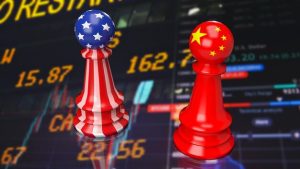
What Investors and Businesses Can Do
- Diversify investments across different asset classes and regions.
- Monitor commodity trends closely, especially oil and gold.
- Use hedging strategies to protect against currency fluctuations.
- Stay informed about global political developments that could impact supply chains or trade routes.
Summing up
Subscribe to our blog for more trading insights, expert analysis, market updates and strategies – join our telegram community today!