
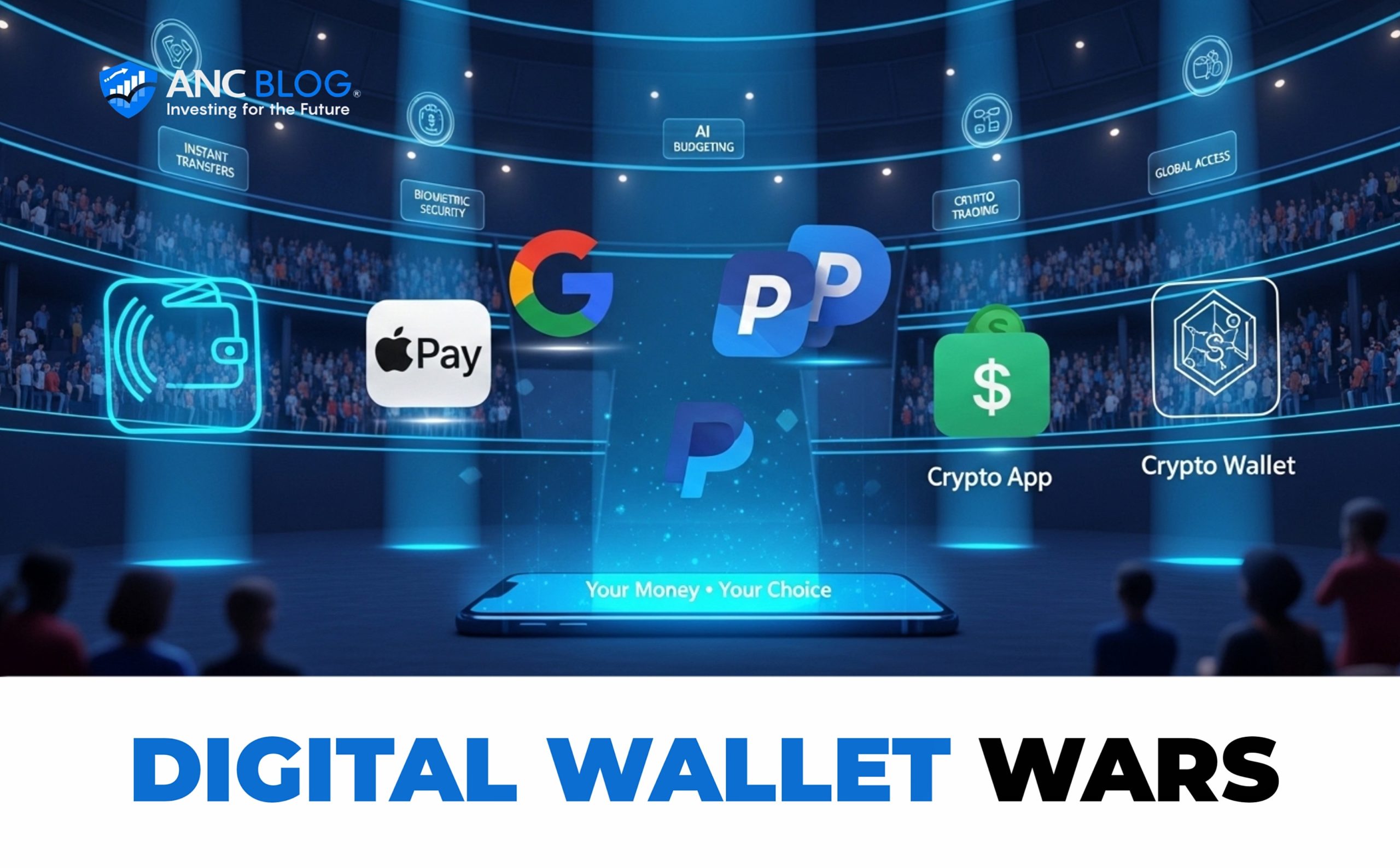


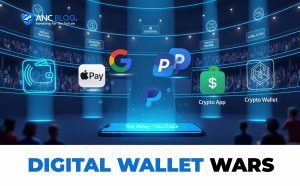
The world of money is changing fast. Cash is fading, cards are becoming digital, and mobile payments are taking over. The competition among fintech giants has reached a new level which is a full-blown digital wallet war. From Apple Pay and Google Wallet to PayPal, Cash App, and new crypto-based wallets, everyone wants a share of how people spend, save, and move their money.
This explores how digital wallets are reshaping personal finance, what’s driving this competition, and how these innovations are changing the way people handle money every day.
1. What Is a Digital Wallet?
A digital wallet is a secure app or platform that stores payment information electronically. It allows users to make payments, transfer money, and even manage investments all from a smartphone or smartwatch. Instead of carrying cash or cards, people can now pay with a tap, scan, or click. Digital wallets like Apple Pay, Google Pay, PayPal, Venmo, and Cash App have made transactions faster, safer, and more convenient. This shift is not just about technology, it’s about lifestyle. People want speed, simplicity, and security when managing their money.
2. The Rise of the Digital Wallet Revolution
The digital wallet boom started years ago, but it exploded after the pandemic. Contactless payments became the norm, and fintech companies saw an opportunity to innovate. Today, digital wallets are more than just payment tools. They’re becoming financial ecosystems like offering savings accounts, credit options, crypto trading, and even investment features.
For example:
- PayPal now allows users to buy and hold cryptocurrencies.
- Apple Pay Later offers short-term installment loans.
- Google Wallet integrates loyalty cards, tickets, and IDs.
- Cash App combines peer-to-peer payments with stock and Bitcoin investing.
These features are turning digital wallets into all-in-one financial hubs, replacing traditional banking for millions of users.
3. The Fintech Giants Battling for Dominance
The digital wallet market is now a battlefield. Fintech giants and tech companies are competing fiercely to win users’ trust and loyalty.
- Apple Pay focuses on privacy and seamless integration with iPhones.
- Google Wallet emphasizes convenience and global reach.
- PayPal leverages its long-standing reputation in online payments.
- Cash App targets younger users with social features and crypto access.
- Revolut and Wise attract global users with low-cost international transfers.
Each platform is trying to stand out by offering unique features from cashback rewards to instant transfers and AI-powered budgeting tools. The competition benefits consumers, as companies keep improving security, speed, and user experience to stay ahead.
4. How Digital Wallets Are Changing Personal Finance Habits
Digital wallets are not just changing how people pay, they’re changing how people think about money.
- Spending is faster: With one tap, purchases happen instantly, making budgeting more important than ever.
- Saving is smarter: Many wallets now offer automatic savings features that round up purchases or set aside small amounts daily.
- Investing is easier: Apps like Cash App and PayPal let users buy stocks or crypto with just a few clicks.
- Tracking is simpler: Built-in analytics show spending patterns, helping users manage their finances better.
This convenience is empowering people to take control of their money, but it also requires discipline to avoid overspending.
5. Security and Trust: The Heart of the Digital Wallet War
With money going digital, security is the biggest concern. Fintech companies are investing heavily in encryption, biometric authentication, and fraud detection to protect users. Features like face ID, fingerprint login, and two-factor authentication have become standard. Many wallets also offer instant transaction alerts and spending limits to prevent unauthorized use. Trust is now a key factor in the digital wallet wars. Users are more likely to stick with platforms that make them feel safe and respected. Check out this Capital information.
6. The Role of Crypto and Blockchain in Digital Payments
Cryptocurrency and blockchain technology are adding a new twist to the digital wallet competition. Crypto wallets like MetaMask, Coinbase Wallet
7. The Future of Digital Wallets: What’s Next?
The future of digital wallets looks exciting and competitive. Experts predict that by 2030, most people will rely primarily on digital wallets instead of physical cards or cash.
Upcoming innovations include:
- AI-powered financial coaching to help users manage money better.
- Voice-activated payments through smart devices.
- Global interoperability, allowing seamless payments across countries.
- Integration with wearables like smartwatches and AR glasses.
Fintech companies are racing to create the most convenient, secure, and personalized financial experience possible.
8. What This Means for Everyday Users
For everyday users, the digital wallet wars mean more choices, better features, and faster transactions. However, it also means staying informed and cautious.
Here’s what users should keep in mind:
- Choose wallets with strong security and privacy policies.
- Avoid storing large sums in one app.
- Regularly update passwords and enable two-factor authentication.
- Track spending to avoid overspending due to convenience.
Digital wallets are powerful tools but like all tools, they work best when used wisely.
Summary
The digital wallet wars are reshaping the future of money. Fintech giants are competing fiercely to control how people pay, save, and invest. This competition is driving innovation, improving security, and giving users more financial freedom than ever before. As technology continues to evolve, one thing that stands is the wallet of the future won’t be in a pocket, but in the palm of a hand. The winners of this war will be the companies that combine trust, innovation, and simplicity to make managing money effortless for everyone. Join our Telegram community.