


A day after agreeing to pay the biggest fine ever in FINRA history, Robinhood has filed to go public.
According to its filing with the Securities and Exchange Commission, the trading app plans to list its shares on the Nasdaq stock exchange under the symbol HOOD.
While the company hasn’t indicated its target valuation or date for its public debut, Robinhood hopes to raise $100 million from its hotly anticipated initial public offering (IPO).
Robinhood has big plans for its customers
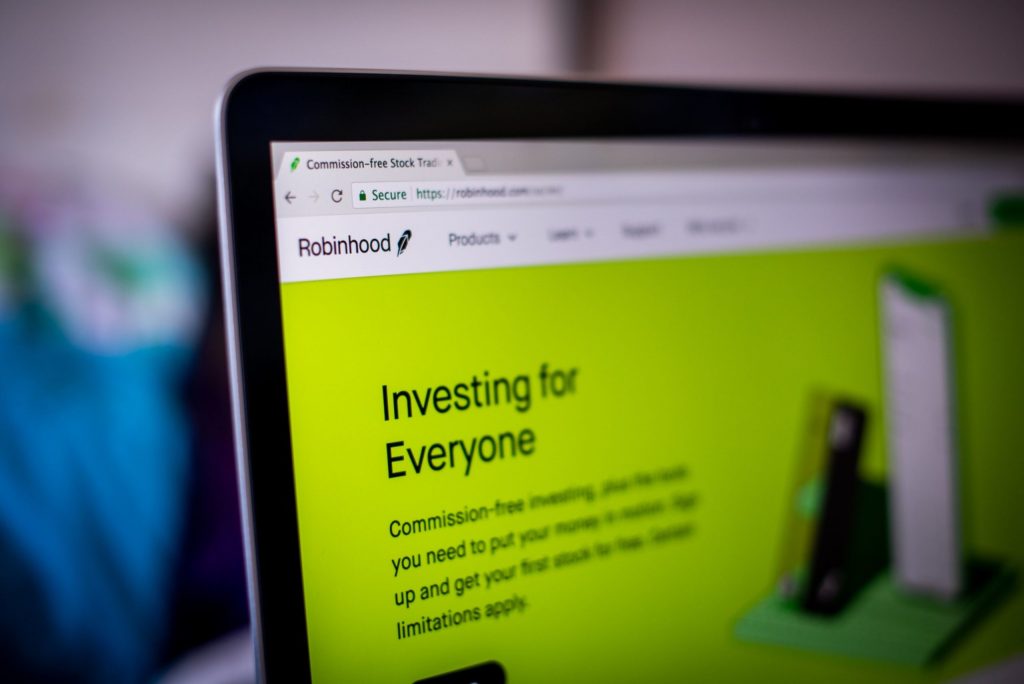
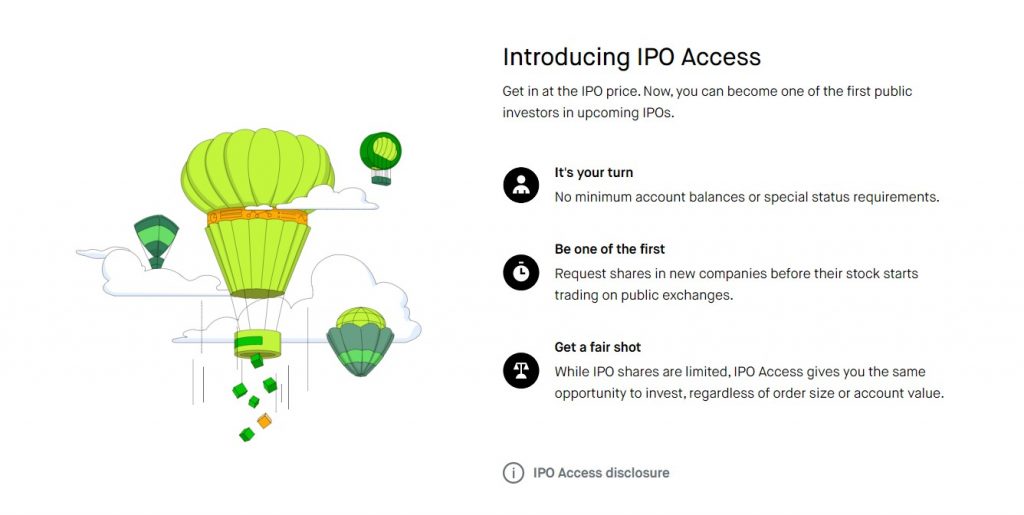
The company plans to sell stock to its customers. In an unusual move, Robinhood will set aside 20% to 35% of its Class A stock for individual investors on its own platform, as opposed to bankers. It’s also a much larger allocation for retail investors than in a typical IPO.
Interest in crypto has been lucrative for the company as crypto-related transactions accounted for 17% of Robinhood’s total revenue in Q1 of this year.
Also Read: S&P 500 Sets Fresh Record High, Closes on a Good Footing
Last year was a monumental year for Robinhood as the company’s revenue surged to $959 million, a 245% jump from 2019. It also turned a $7.5 million profit for the first time last year amid a pandemic-fueled trading boom. This was a significant improvement from the $106.6 million loss it recorded in 2019.
The Silicon Valley-based company currently manages more than $80 billion for the 18 million users on its platform, more than half of which are first-time brokerage accounts, according to Robinhood.
After agreeing to pay $57 million to the Financial Industry Regulatory Authority (FINRA) and an additional $13 million to harmed investors, it’s now unclear whether Robinhood will turn a profit this year.
Become a Certified Trader with the ANC Trading Community
Why the regulatory headaches for Robinhood?
On Wednesday, FINRA handed Robinhood a $70 million bill for hurting customers by providing misleading information and failing to provide support to its users.

Glitches in the trading app even resulted in one 20-year-old’s death by suicide last year after seeing an inaccurate balance. Some two major outages also resulted in tens of thousands of losses for users.
The company also came under fire for its role in the GameStop saga in January this year. A massive buying frenzy driven by retail investors on Reddit forced Robinhood to raise emergency funds that cost it $1.5 billion and tanked its finances for that quarter. This prompted the company to suspend purchases– a move that prompted a huge backlash among Robinhood users and saw the company lose $1.4 billion.
Bottom line
US-listed IPOs have already raised over $190 billion so far in 2021, more than 2020’s total. Robinhood’s highly anticipated IPO will no doubt, up those numbers.
Featured Image Credit: Morning Brew