




The gig economy has changed how people work, earn, and live. Millions of freelancers, remote workers, and independent contractors are shaping the global workforce. Starting from graphic designers and writers to drivers and digital marketers, gig workers are everywhere, building flexible careers on their own terms. But while freelancing offers freedom, it also brings financial challenges. Without steady paychecks, employer benefits, or retirement plans, freelancers must manage money differently. Open a capital account
This blog explores how gig workers are handling irregular income, planning for the future, and using technology to stay financially secure in this economy.
1. The Growth of the Gig Economy
The gig economy continues to grow rapidly. More people are choosing freelance work for flexibility, independence, and the ability to work from anywhere. Platforms like Upwork, Fiverr, Uber, and DoorDash have made it easier to find short-term jobs and clients across the world. However, this freedom comes with trade-offs. Gig workers face unpredictable income, inconsistent workloads, and limited access to traditional benefits such as health insurance, paid leave, and retirement savings. As a result, financial planning has become a top priority for freelancers in 2026.
2. The Financial Struggles Freelancers Face
Freelancers deal with unique financial struggles that traditional employees rarely experience.
- Irregular income: Payments vary from month to month, making budgeting difficult.
- No employer benefits: Freelancers must pay for their own health insurance and retirement plans.
- Tax responsibilities: Self-
employed workers must handle their own taxes and make quarterly payments. - Limited credit access: Irregular income can make it harder to qualify for loans or mortgages.
- Unstable savings: Without automatic deductions, saving money requires discipline and consistency.
These challenges can create financial stress, especially during slow months or unexpected emergencies. Trade anywhere with taurex
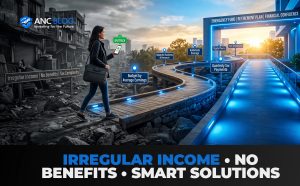
3. How Freelancers Manage Irregular Income
To handle unpredictable earnings, freelancers are becoming smarter about money management. Many are learning to treat their freelance work like a business.
- Create a monthly budget: Track average income and expenses to plan ahead.
- Build an emergency fund: Save at least three to six months of expenses for slow periods.
- Separate business and personal accounts: This makes taxes and budgeting easier.
- Automate savings: Set up automatic transfers to savings or investment accounts.
- Track cash flow: Use digital tools to monitor income and spending in real time.
Building financial discipline help freelancers reduce stress and stay prepared for income fluctuations.
4. Taxes and Financial Planning for Freelancers
Taxes can be one of the most confusing parts of freelancing. Unlike traditional employees, freelancers must handle their own tax payments. This includes setting aside money for income tax, self-employment tax, and other business-related expenses. To stay organized, many freelancers use accounting software, tax apps, or hire financial advisors who specialize in self-employed clients.
Key tax tips for freelancers include;
- Pay quarterly estimated taxes to avoid penalties.
- Keep detailed records of income and expenses.
- Claim deductions for home offices, internet, and equipment.
- Save receipts and invoices for proof of business expenses.
Proper tax planning helps freelancers stay compliant and avoid financial surprises.
5. Saving and Investing for the Future
Retirement planning is one of the biggest financial challenges for freelancers. Without employer-sponsored plans, gig workers must create their own savings strategies.
Popular options include:
- Individual Retirement Accounts (IRAs) or Roth IRAs for long-term savings.
- Solo 401(k) plans for self-employed individuals.
- Automated investment platforms (robo-advisors) that make investing simple and affordable.
Freelancers are also using fintech apps that round up purchases and invest spare change automatically. These small, consistent actions help build wealth over time.
6. The Role of Technology in Freelance Finance
Technology is transforming how freelancers manage money. Digital tools make it easier to track income, automate savings, and plan for the future.
- Budgeting apps help freelancers visualize cash flow and spending patterns.
- Fintech platforms offer instant payments and low-fee banking options.
- AI-driven financial advisors provide personalized money management tips.
- Blockchain-based payment systems ensure faster, more secure transactions.
These innovations are empowering freelancers to take control of their finances and make smarter financial decisions. Open a capital account

7. Opportunities in the Gig Economy
Despite financial challenges, the gig economy offers incredible opportunities. Freelancers can diversify income streams, work globally, and build personal brands. Many are turning their freelance work into full-time businesses or agencies. The flexibility of gig work also allows people to pursue passion projects, balance family life, and explore new industries. With the right financial strategies, freelancing can be both sustainable and rewarding. Trade anywhere with taurex
8. Building a Financially Secure Freelance Future
To thrive in the gig economy, freelancers must think like entrepreneurs. That means planning ahead, managing cash flow, and investing in long-term stability.
Practical steps include:
- Setting clear financial goals.
- Tracking income and expenses regularly.
- Saving consistently, even in small amounts.
- Investing in skills and tools that increase earning potential.
- Seeking professional financial advice when needed.
Financial independence doesn’t happen overnight, but with discipline and smart planning, freelancers can build lasting security and peace of mind.
Summary
The gig economy is redefining work in 2026. Freelancers face unique financial challenges from irregular income to retirement planning, but they also have more tools and opportunities than ever before. Embrace technology, practice smart money management, and plan for the future, gig workers can turn financial uncertainty into financial freedom. The key is to enjoy the flexibility of freelance life while building a stable, secure financial foundation for the years ahead. Join our telegram channel.