




Forex Liquidity: The Pulse of the Market
What the Latest Forex Volume Data Shows
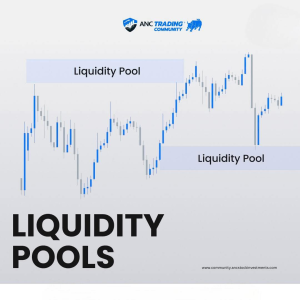
Recent reports from major trading platforms and interbank networks reveal three key trends transforming the forex market right now
- Lower Trading Volumes in Major Pairs: Trading activity in top pairs like EUR/USD and GBP/USD has slowed. Many traders are waiting for clearer signals from central banks before taking large positions. This cautious approach has reduced liquidity during key trading sessions.
- Rising Activity in Emerging Market Currencies: While major pairs are cooling off, emerging market currencies like the Mexican Peso (MXN), Brazilian Real (BRL), and South African Rand (ZAR) are seeing more action. Investors are chasing higher yields as developed markets cut interest rates.
- Increased Volatility During News Events: Liquidity often dries up right before major economic announcements. When data hits such as U.S. inflation or ECB rate decisions, trading volumes surge, and price swings become more intense. Short-term traders are capitalizing on these bursts of volatility.
Is It a Liquidity Crunch or a Market Reset?
The answer depends on perspective. Some traders believe the market is facing a liquidity crunch: a temporary shortage of active buyers and sellers. This can happen when institutions pull back due to uncertainty or when algorithmic trading systems reduce exposure.
Others argue it’s a market reset: a healthy adjustment after years of heavy speculation. When central banks shift from tightening to easing, traders are recalibrating their strategies. This reset could lead to more balanced trading conditions in the months ahead. Either way, the data shows that forex liquidity is evolving, not disappearing.
Join our telegram community
What This Means for Short-Term Traders
- Tighter Spreads Are Gone: Expect wider spreads during low-liquidity periods, especially around major news releases.
- Timing Matters More Than Ever: Trading during peak sessions like the London-New York overlap can help capture better liquidity.
- Focus on Data-Driven Moves: Economic reports, central bank speeches, and inflation updates are driving short-term price action.
- Diversify Across Pairs: Don’t rely only on EUR/USD or GBP/USD. Explore pairs with stronger momentum, such as USD/JPY or AUD/USD.
By staying alert and flexible, traders can turn liquidity shifts into profit opportunities.
Central Banks and the Liquidity Equation
Central banks play a huge role in transforming forex liquidity. Most major banks including the Federal Reserve, European Central Bank, and Bank of England are cutting rates to support growth.
Lower interest rates often reduce trading volume in major pairs because yield differentials shrink. However, they also push investors toward riskier assets and emerging market currencies, creating new liquidity pockets elsewhere. This shift explains why forex liquidity isn’t vanishing, it’s simply moving.
Technology and Market Adaptation

We have More Balanced Market Ahead
Summary
The latest forex volume data tells a clear story: the market is adjusting, not collapsing. Liquidity is shifting across regions and currency pairs as traders respond to new economic realities. Even if this phase is a liquidity crunch or a market reset, one thing is certain, adaptability will define success. Short-term traders who stay informed, trade smart, and manage risk effectively will find plenty of opportunities in this evolving forex landscape.
Subscribe to our blog for more trading insights, expert analysis, market updates and strategies – join our telegram community today!