
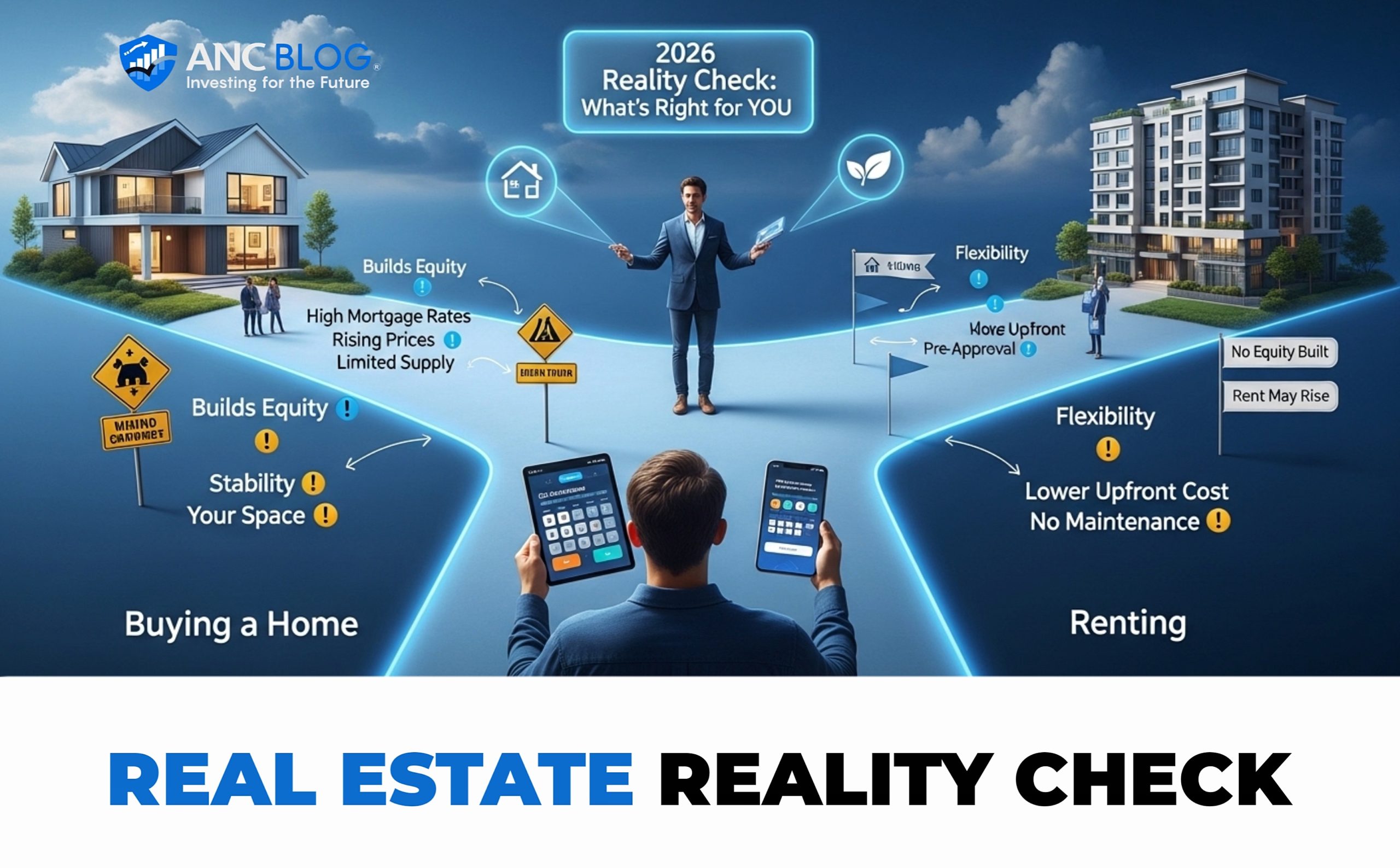

The dream of owning a home looks very different from what it used to be. With rising property prices, high mortgage rates, and changing lifestyles, many people are asking the same question, is homeownership still worth it?
This blog takes a closer look at the current real estate market, comparing the pros and cons of buying versus renting, and helping readers understand what makes the most financial sense in today’s economy.
1. The Changing Face of Real Estate in 2026
The real estate market has always been a symbol of stability and success. But in recent years, things have shifted. Property prices have soared in major cities, while mortgage rates have climbed to levels not seen in over a decade. At the same time, remote work, flexible lifestyles, and economic uncertainty have changed how people think about housing. Many are rethinking whether owning a home is still the ultimate financial goal or if renting offers more freedom and flexibility.
2. Rising Property Prices and What They Mean
Across the world, property prices continue to rise faster than incomes. In many urban areas, the cost of buying a home has become out of reach for first-time buyers. Open a capital account
Several factors are driving this trend:
- Limited housing supply in high-demand areas
- Inflation and higher construction costs
- Increased demand from investors and foreign buyers
- Population growth in urban centers
As a result, many potential homeowners are being priced out of the market, turning instead to long-term renting or smaller, more affordable properties. Join our telegram channel.
3. The Impact of High Mortgage Rates
Mortgage rates have a huge impact on affordability. Interest rates remain higher than in previous years, making monthly payments significantly more expensive. For example, a small increase in mortgage rates can add hundreds of dollars to a monthly payment. This has forced many buyers to delay purchasing or settle for smaller homes. However, some experts believe rates may stabilize in the coming years, offering hope for those waiting to buy. Until then, careful budgeting and comparing loan options are essential for anyone considering homeownership.
4. Renting vs. Buying: Which Makes More Sense?
The classic debate remains; renting vs. buying which is more relevant than ever. Both options have advantages and drawbacks, depending on personal goals and financial situations.
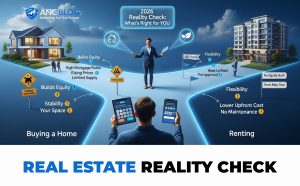
Buying a home offers:
- Long-term investment potential
- Stability and control over the property
- The ability to build equity over time
Renting a home offers:
- Flexibility to move easily
- Lower upfront costs
- Freedom from maintenance and property taxes
Renting, in today’s market can make more sense for those who value flexibility or live in high-cost cities. Buying, on the other hand, remains a strong choice for those planning to stay long-term and build wealth gradually.
5. The Emotional Side of Homeownership
Beyond the numbers, owning a home carries emotional value. It represents stability, pride, and a sense of belonging. For many families, it’s still a major life goal. However, the emotional benefits must be balanced with financial reality. Buying a home that stretches the budget too far can lead to stress and financial strain. Smart homeownership means buying within one’s means and focusing on long-term sustainability.
6. How Technology Is Changing Real Estate
Technology is reshaping the real estate industry. Virtual tours, AI-driven property valuations, and digital mortgage platforms make buying and selling homes faster and more transparent. Proptech (property technology) tools help buyers compare prices, estimate mortgage payments, and even find eco-friendly homes. These innovations are empowering consumers to make smarter, data-driven decisions about where and how they live.
7. The Rise of Sustainable and Smart Homes
Another major trend in 2026 is the rise of sustainable housing. Buyers are increasingly interested in energy-efficient homes with solar panels, smart thermostats, and eco-friendly materials. These homes not only reduce environmental impact but also lower long-term costs. As sustainability becomes a key factor in real estate decisions, developers are adapting to meet the growing demand for green living spaces. Open a capital account
8. Tips for Making the Right Housing Decision
Whether renting or buying, making the right housing decision requires careful planning.
- Assess financial readiness: Consider income stability, savings, and debt.
- Research local markets: Prices and rent trends vary by region.
- Compare long-term costs: Include taxes, insurance, and maintenance.
- Think about lifestyle: Flexibility, job mobility, and family plans matter.
- Seek expert advice: Real estate agents and financial advisors can provide valuable insights.
The best choice is the one that aligns with both financial goals and personal priorities.
Conclusion
In 2026, homeownership is no longer a one-size-fits-all dream. For some, it remains a powerful investment and source of pride. For others, renting offers freedom and financial flexibility. The key is understanding the trade-offs like balancing emotional satisfaction with financial practicality. Whether buying or renting, the smartest move is the one that supports long-term stability, comfort, and peace of mind. Join our telegram channel.