




Financial wellness means having control over day-to-day finances, being prepared for emergencies, and feeling confident about the future. It’s not just about earning more; it’s about managing money wisely. Money stress is one of the biggest challenges employees face today. It starts from rising living costs to growing debt, financial pressure affects not only personal lives but also workplace performance. More companies are realizing that financial health is just as important as physical and mental health. This shift has given rise to a new trend called financial wellness programs. Open a capital account
For employees, it includes.
- Paying bills on time without stress
- Saving for emergencies and retirement
- Managing debt effectively
- Making informed financial decisions
When employees feel financially secure, they’re more focused, productive, and engaged at work.
⇒These programs are changing how organizations support their teams, help employees manage money better, reduce stress, and build long-term financial confidence.
1. Why Companies Are Prioritizing Financial Wellness
In the past, employers focused mainly on salaries and health benefits. But now, they understand that financial stress can lower productivity, increase absenteeism, and even lead to burnout. Recent studies show that employees who struggle financially are more likely to experience anxiety, distraction, and job dissatisfaction. To address this, companies are investing in financial wellness programs that provide education, tools, and personalized support.
These programs help employees.
- Learn budgeting and saving skills
- financial coaching or counseling
- Plan for retirement and investments
- Manage debt and credit responsibly
Supporting this movement, companies are not only improving employee well-being but also strengthening loyalty and retention.
2. The Business Case for Financial Wellness Programs
Financial wellness isn’t just good for employees, it’s good for business. When workers are less stressed about money, they perform better and stay longer.
Here’s how companies benefit.
- Higher productivity: Employees can focus on work instead of worrying about bills.
- Lower turnover: Financially stable employees are more likely to stay with their employer.
- Better morale: A supportive workplace culture builds trust and motivation.
- Stronger brand reputation: Companies that care about employee well-being attract top talent.
In short, investing is a win-win strategy, it boosts both employee happiness and company performance.
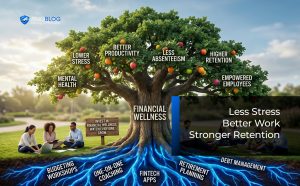
3. What Financial Wellness Programs Look Like
Modern financial wellness programs go beyond basic financial education. They combine technology, personalized advice, and easy access to resources. Trade anywhere with taurex
Common features include.
- Workshops and webinars on budgeting, saving, and investing
- One-on-one financial coaching for personalized guidance
- Digital tools and apps that track spending and savings goals
- Retirement planning support with employer contributions
- Debt management assistance and credit counseling
Some companies even partner with fintech platforms to offer automated savings plans, investment options, and real-time financial insights.
4. The Role of Technology in Financial Wellness
Technology is making it more accessible than ever. With fintech apps, AI-driven budgeting tools, and digital banking platforms, employees can manage their finances anytime, anywhere. Employers are integrating these tools into their benefits packages to help workers.
- Set financial goals
- Track expenses automatically
- Receive personalized money tips
- Access financial education on demand
This digital approach makes financial wellness more engaging and easier to maintain.
5. The Human Impact of Financial Wellness
Beyond numbers and tools, financial wellness has a deeply human impact. When employees feel financially secure, they experience less stress, better mental health, and stronger relationships. Financial confidence also empowers people to make positive life choices from buying a home to starting a family or pursuing education. It creates a sense of stability that extends beyond the workplace. Companies that invest in financial wellness are not just improving productivity; they’re improving lives. Open a capital account

6. How Employers Can Start Building This Programs
For organizations looking to launch or improve financial wellness initiatives, here are key steps:
- Assess employee needs: Conduct surveys to understand financial challenges.
- Partner with experts: Collaborate with financial advisors or fintech providers.
- Offer diverse resources: Combine education, tools, and personalized support.
- Promote inclusivity: Ensure programs are accessible to all income levels and backgrounds.
- Measure results: Track participation, satisfaction, and performance improvements.
A well-designed program should be practical, inclusive, and easy to use. It helps employees take real steps toward financial stability. Open a capital account
7. The Future in the Workplace
The future of work is holistic. Companies are realizing that true employee well-being includes financial health. In the coming years, financial wellness will become a standard part of corporate culture, just like healthcare and mental health support. Trade anywhere with taurex
Expect to see
- AI-powered financial coaching for personalized advice
- Integrated benefits platforms combining health, retirement, and financial tools
- Gamified learning experiences to make money management fun
- Global financial wellness programs for remote and international teams
As it becomes mainstream, it will redefine how companies care for their people, creating workplaces where employees feel valued, supported, and financially empowered.
Conclusion
The rise marks a major shift in how companies view employee success. It’s no longer just about paychecks; it’s about peace of mind. Helping employees manage money better, companies are building stronger, happier, and more resilient teams. It’s more than a benefit, it’s a long-term investment in people and when people thrive, businesses thrive too.